

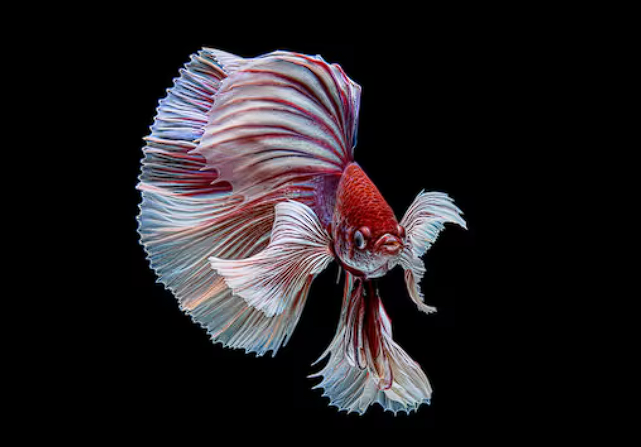
Female Elephant Ear Betta fish are a captivating variety of the Siamese fighting fish. Known for their large, flowing fins that resemble elephant ears, they bring both elegance and charm to home aquariums. Originating from Southeast Asia, these fish are admired not only for their unique appearance but also for their engaging personalities. Keeping and breeding female Elephant Ear Bettas requires understanding their needs, from tank setup and diet to breeding conditions and health maintenance.
Understanding Elephant Ear Betta Fish
The Elephant Ear Betta fish thrives in freshwater environments where warm, stable conditions are maintained. In the wild, they inhabit slow-moving streams, rice paddies, and shallow waters where plants provide shelter. Their natural habitat helps explain why these fish appreciate aquariums with gentle currents, plenty of hiding spaces, and plant cover.
On average, Betta Fish Elephant Ear female live between two to five years, depending on care and water quality. They can grow up to three inches in length, with their distinctive fins forming the characteristic “elephant ear” shape. This unique fin structure is both an aesthetic feature and a functional adaptation, allowing graceful swimming and stability in calm waters.
Females vs Males
Male and female Elephant Ear Bettas differ in several ways. Males typically have larger, more elaborate fins and brighter coloration. Females, while generally smaller and less colorful, have striking fins and can display vibrant hues. Females also exhibit unique behaviors, including curiosity and occasional territoriality, making them interesting to observe in a well-maintained tank.
A common misconception is that female Bettas are passive or dull in appearance. In reality, females can display remarkable colors and patterns, and they can show signs of dominance or protectiveness, particularly in smaller tanks or when housed with other females. Understanding these traits ensures that female Elephant Ear Bettas are cared for appropriately and provided with a safe environment.
The Beauty of Female Elephant Ear Betta Fish
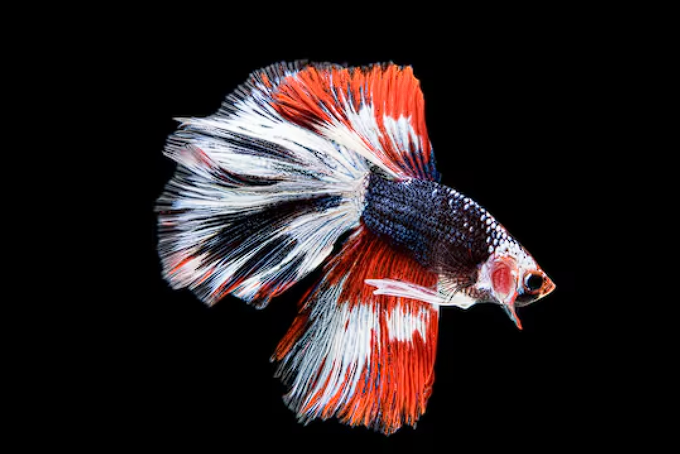
Female Elephant Ear Bettas are admired for their elegant appearance and lively personalities. Their fins flow gently as they move, creating a serene and captivating visual in the aquarium. They come in a range of colors, including red, blue, green, purple, and patterns that blend these shades. The combination of fin shape, movement, and coloration makes them a standout choice for any fish enthusiast.
Their behavior adds to their charm. Females are curious, often exploring plants and decorations in their tank. They interact with their surroundings in a way that creates a dynamic and engaging aquarium environment. Observing their personalities allows fish keepers to form connections with their pets and enjoy their subtle nuances.
Caring for Female Elephant Ear Betta Fish
Providing a proper diet is essential for maintaining health and vibrant coloration. Female Bettas thrive on high-quality pellets designed for Betta species, supplemented with frozen or freeze-dried foods such as bloodworms and brine shrimp. Occasional live foods can enhance their health and encourage natural hunting behaviors. Consistency in feeding and portion control helps prevent overfeeding, which can lead to water quality issues and health problems.
Tank maintenance plays a crucial role in their care. Regular water changes, filtration, and monitoring of water parameters such as pH, ammonia, nitrate, and temperature are necessary for a healthy environment. Keeping the tank clean prevents the buildup of harmful bacteria and ensures that the fish can thrive. Providing hiding spots and gentle lighting reduces stress and creates a more natural habitat.
Breeding Female Elephant Ear Betta Fish
Breeding involves careful preparation. Select healthy pairs and provide a tank with optimal conditions, including warm, stable water and appropriate hiding areas. Conditioning the fish with nutritious foods supports successful spawning. During breeding, the male builds a bubble nest where the female deposits eggs. Monitoring their behavior and removing the female after spawning can prevent aggression and ensure fry survival.
Successful breeding also depends on understanding genetic compatibility and the health of the parents. Providing the right temperature, water quality, and minimal stress increases the chances of a healthy batch of fry. Once the young fish hatch, careful feeding and tank management help ensure their proper growth and development.
Maintaining Health and a Stable Environment
Female Elephant Ear Bettas can face common health challenges such as fin rot, bacterial infections, and stress-related illnesses. Preventive care includes maintaining clean water, feeding a balanced diet, and monitoring behavior regularly. Observing signs of illness early allows for timely intervention, increasing the chances of recovery.
Routine checks on tank conditions are essential. Stable water parameters, regular cleaning, and appropriate tank mates help reduce stress and prevent aggression. Avoid overcrowding, as it can cause behavioral issues and compromise the fish’s health. By maintaining a consistent care routine, fish keepers ensure that their female Elephant Ear Bettas remain healthy, vibrant, and active.
Appreciating Their Unique Personality
Female Elephant Ear Bettas have lively and interactive personalities. They explore the tank, investigate plants, and can even recognize their keeper over time. These traits, combined with their flowing fins and range of colors, make them a joy to observe. Their presence brings life and movement to the aquarium, offering both aesthetic pleasure and emotional engagement for hobbyists.