

Looking for something that sparks creativity, fuels imagination, and somehow keeps both kids and adults happily distracted for hours?
There’s a reason millions of people around the world keep coming back to LEGO—and it’s not just nostalgia.
LEGO has mastered something few brands ever achieve: staying fun, relevant, and endlessly entertaining across generations. Whether you’re five or fifty-five, the moment those bricks click together, something magical happens.
A Toy That Grows Up With You
Most toys come with an expiration date. LEGO doesn’t.
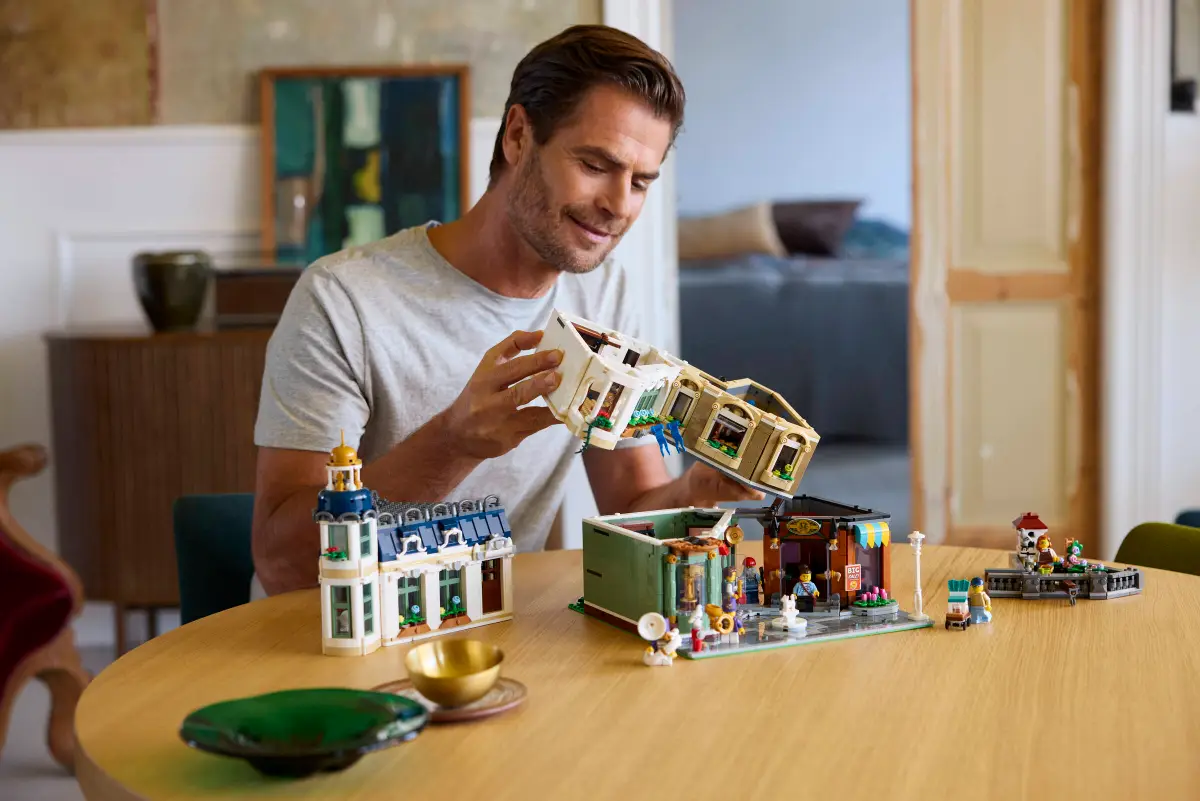
As kids, LEGO is about building castles, spaceships, and questionable-looking animals that somehow still feel perfect. As teens, it becomes a creative outlet. As adults, LEGO transforms into a stress reliever, a display-worthy hobby, and proof that “playing” never really stops.
What makes LEGO unique is that it doesn’t talk down to its audience. It grows with you. The same brick that built your first tower can later become part of a detailed cityscape or an intricate collector set.
That’s not just clever design—it’s genius longevity.
Infinite Creativity, Zero Instructions Required (But Optional)
At its core, LEGO is simple: bricks that connect. But what you do with them is entirely up to you.
Some people follow instructions step by step. Others toss the booklet aside and build whatever comes to mind. Both approaches are equally valid, and that freedom is part of LEGO’s charm.
There’s no “wrong” way to build. If your spaceship looks suspiciously like a toaster, congratulations—you’re doing it right.
In a world filled with rules, deadlines, and notifications, LEGO offers something refreshing: pure, judgement-free creativity.
Not Just for Kids (And Everyone Knows It)
Once upon a time, LEGO was seen as a children’s toy. That idea quietly disappeared somewhere between adult LEGO collections, desk displays, and late-night building sessions meant to “just relax for 20 minutes.”
Today, LEGO is proudly multi-generational. Adults build to unwind. Parents build with kids. Friends build together. Some people even build competitively—or just for the joy of organising bricks by colour.
It’s one of the rare activities where focus replaces stress, and time passes without anyone checking their phone.
Play That’s Actually Good for Your Brain
LEGO isn’t just entertaining—it’s mentally engaging. Building improves problem-solving, patience, spatial awareness, and creativity. It encourages experimentation and rewards persistence.
And unlike many digital distractions, LEGO play is hands-on. You feel progress with every brick placed. There’s something deeply satisfying about seeing a physical result of your effort.
For kids, it supports development. For adults, it offers a mental reset that feels productive without pressure.
The Joy of Rebuilding (Again and Again)

One of LEGO’s most underrated features is that nothing is permanent. Build something, admire it, knock it down, and start again.
That flexibility teaches an important lesson: starting over isn’t failure—it’s part of the process. Every rebuild is a new idea waiting to happen.
It’s a quiet reminder that creativity thrives when perfection isn’t the goal.
Why LEGO Still Works in a Digital World
With so much entertainment happening on screens, it’s impressive that LEGO remains just as popular as ever. Maybe even more so.
LEGO offers something screens can’t replicate: tactile satisfaction. The click of bricks, the weight in your hands, the visible progress—it all grounds you in the moment.
Instead of consuming content, you create it. Instead of scrolling, you build. And somehow, that feels incredibly refreshing.
A Shared Language of Play
LEGO transcends age, language, and background. You don’t need instructions to understand the fun. Give two people a pile of bricks, and they’ll find a way to build something together.
That universal appeal is rare. LEGO doesn’t require explanation—it invites participation.
And yes, it occasionally involves stepping on a brick. But even that has become part of the shared experience.
Why LEGO Never Loses Its Spark
Trends come and go, but LEGO remains timeless because it focuses on something fundamental: imagination.
It doesn’t rely on gimmicks or forced relevance. Instead, it trusts that people want to create, explore, and play—at any age.
That trust is what keeps LEGO from feeling outdated. Every new build is a reminder that creativity doesn’t expire.
Final Thoughts: Still Building, Still Smiling
Whether you’re rediscovering LEGO after years away or adding to a collection that never stopped growing, the experience remains the same: joy, focus, and endless possibility.
There’s a reason LEGO bricks from decades ago still fit perfectly with new ones. They were designed to last—just like the love people have for them.
Explore the world of LEGO today and start building something fun, ridiculous, impressive, or all three—one brick at a time.