

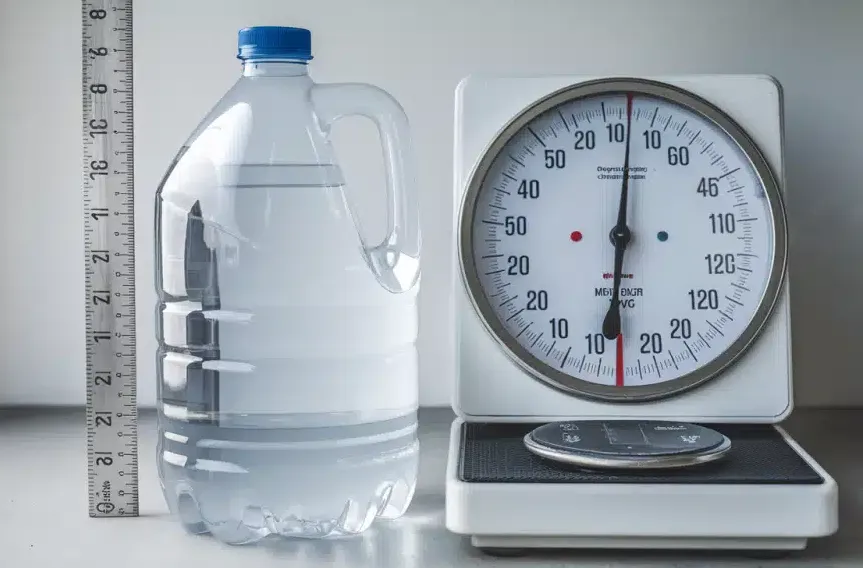
Ever thought about how much your favorite liquid weighs in a gallon? You might be surprised. The weight of a gallon changes a lot depending on the liquid. This is important for cooking and industrial uses.
A gallon of water is about 8.34 pounds. But liquids like milk, juice, or oil weigh differently. This affects everything from cooking to shipping costs. A gallon weight calculator makes figuring out these weights easier.
Let’s dive into the world of liquid weights. We’ll see the big differences and why knowing these weights is key in our daily lives.
Understanding Gallon Measurements
Knowing about gallon measurements is key for comparing liquid weights. A gallon is a volume unit used in the US and some other countries. But, the weight of a gallon can change a lot based on the liquid’s density.
What is a Gallon?
A gallon measures the volume of liquids. In the US, a gallon is 128 fluid ounces or about 3.785 liters. It’s used for things like milk, juice, and gasoline.
The word “gallon” comes from Old English. It means a container or a measure. Over time, it became a standard unit, but its size has varied.
How Gallon Sizes Vary Around the World
Gallons aren’t the same everywhere. For example, the UK’s imperial gallon is bigger than the US gallon, at about 4.546 liters. This difference matters when comparing liquid weights across countries.
Here’s a comparison:
- 1 US gallon = 3.785 liters
- 1 Imperial gallon = 4.546 liters
The imperial gallon is about 20% bigger than the US gallon. This means a “gallon” of liquid can weigh differently in different places.
For instance, a gallon of water weighs about 8.34 pounds in the US. But in the UK, it’s around 10.02 pounds. This shows why knowing the local gallon definition is important for comparing weights worldwide.
“The difference between the US gallon and the imperial gallon is not just a matter of volume; it significantly impacts the weight of liquids being measured.”
It’s crucial to understand these differences for accurate conversions and comparisons. This is important in fields like cooking, manufacturing, and international trade.
The Importance of Weight in Liquids
Knowing the weight of liquids is key in many areas of life and work. It matters for cooking, moving things around, and storing liquids. Understanding a liquid’s weight can greatly affect how we use it.
Why Does Weight Matter?
The weight of a liquid is important for measuring, storing, and moving it. For cooking, knowing the weight of ingredients like oil or water can change the taste and quality of food. In industries, the weight of liquids like chemicals or fuels is crucial for safety and efficiency. Converting between volume and weight, such as with gallon to pound conversion, is essential for accuracy.
Liquids have different densities, which means their weight can change a lot even if they’re the same volume. For example, a gallon of water weighs differently than a gallon of oil. Knowing these differences is key for many uses, from cooking to industrial processes.
Applications of Gallon Weight in Daily Life
In everyday life, knowing the weight of a gallon of different liquids can make things easier and more accurate. For cooking, knowing the weight of ingredients helps in adjusting recipes. When moving liquids, knowing their weight is key for safe handling and figuring out costs.
Gallon weight equivalent is useful in many situations. For example, when buying liquids in bulk, knowing the weight helps compare prices and make better choices. In industries like oil and gas, the weight of liquids is vital for managing logistics and supply chains.
- Cooking and recipe adjustments
- Industrial and transportation uses
- Storage and handling safety
- Logistics and supply chain management
By understanding the weight of different liquids, people and businesses can make better choices, work more efficiently, and save money. Whether for cooking at home or for big industrial operations, the weight of liquids is very important.
Weight of Water: The Standard Benchmark
Water is a key standard for liquid weights. It’s common and its properties are well-known.
How Much Does One Gallon of Water Weigh?
One gallon of water weighs about 8.34 pounds. This is a common conversion used in cooking, science, and engineering.
Knowing the weight of water is important. It helps in figuring out the weight of liquids in containers and the buoyancy of objects.
Factors Affecting Water Weight
The weight of pure water is well-known at standard conditions. But, several factors can change this weight. Temperature and purity are two such factors.
Temperature makes water expand and become less dense when it heats up. Impurities or dissolved substances can also alter water’s density.
It’s crucial to understand these factors for accurate calculations. This is important in scientific and industrial settings.
| Condition | Weight (lbs/gallon) | Density (g/ml) |
| Pure Water at 4°C | 8.34 | 1.000 |
| Water at 20°C | 8.33 | 0.998 |
| Seawater | 8.56 | 1.026 |
This table shows how different conditions can change water’s weight and density. It highlights the need to consider these factors in various applications.
Common Liquids and Their Weights
Liquids like milk, honey, and oil are found in many homes. But, their weights can surprise you. Knowing these weights is key for cooking and baking.
Milk: A Heavier Alternative
Milk is a daily staple in many homes. A gallon of milk weighs about 8.6 pounds. This is a bit heavier than water because of its density.
Honey: The Density Champion
Honey is much denser than milk or water. A gallon of honey can weigh around 12 pounds. This makes honey one of the heaviest liquids used in cooking and baking.
Oil Variations: Olive, Canola, and More
Different oils have different densities, affecting their weight. For example, a gallon of olive oil weighs about 7.6 pounds. A gallon of canola oil weighs around 7.7 pounds.
To better understand the weight differences, let’s look at a comparison chart:
| Liquid | Weight per Gallon (pounds) |
| Water | 8.34 |
| Milk | 8.6 |
| Honey | 12 |
| Olive Oil | 7.6 |
| Canola Oil | 7.7 |
This chart shows the big weight differences among common liquids. It highlights the need to know these variations for accurate measurements in recipes and other uses.
The Weight of Alcoholic Beverages
Different drinks have different weights because of their ingredients and how they’re made. This is interesting and useful in many situations, like moving things or cooking. Knowing this helps us understand these drinks better.
How Much Does a Gallon of Beer Weigh?
A gallon of beer weighs about 8.34 pounds, similar to water. But, its weight can change a bit. This is because of its alcohol and other ingredients.
For example, a beer with more alcohol might weigh a bit more. This shows how the ingredients affect the weight.
The Weight of Wine: A Closer Look
Wine’s weight is also affected by its ingredients. A gallon of wine usually weighs around 8.4 pounds. This is a bit more than water because of the alcohol and other compounds.
The type and sweetness of the wine also play a role. This affects its specific gravity and overall weight.
When we compare the weights of different drinks, we must look at their ingredients. This knowledge is very useful in business and industry. Accurate weight measurements are key there.
Comparing Household Liquids
The weight of common household liquids varies a lot. Water is often used as a comparison, but other liquids can be much heavier or lighter. This is because of differences in density.
Syrups and Their Surprising Weight
Syrups, like those for baking or toppings, are very dense. For example, a gallon of maple syrup weighs about 11 pounds. This is much heavier than a gallon of water, which weighs around 8.34 pounds. Syrups have more sugars, making them denser.
Key factors influencing the weight of syrups include:
- The type and concentration of sugars used
- The presence of any additional ingredients like flavorings or preservatives
- The temperature at which the syrup is stored, as viscosity can change with temperature
How Does Juice Stack Up Against Other Liquids?
Juice, another common liquid, also varies in weight. For instance, a gallon of orange juice is heavier than water because of its sugar. But it’s not as heavy as syrup. Its weight can be between 8.5 to 9 pounds per gallon, depending on its specific gravity.
Comparing the weights of different juices and other household liquids can provide insights into their composition and uses.
| Liquid | Approximate Weight per Gallon |
| Water | 8.34 pounds |
| Orange Juice | 8.5-9 pounds |
| Maple Syrup | 11 pounds |
Industrial Liquid Weights
The weight of industrial liquids is very important. It affects how we store, move, and use them. In many industries, knowing the weight of liquids is key for good work and safety.
Liquids like oils, gasoline, and chemicals have different weights because of their density. For example, a gallon of gasoline is lighter than a gallon of water. It’s important to know these differences for industries that work with lots of liquids.
Understanding Oil and Gasoline Density
Oils and gasoline are used a lot in industries. Their weights vary because of their density. For example, gasoline weighs about 6 pounds per gallon because of its density.
Some industrial oils can be as heavy as or heavier than water. This is because their density is close to or more than water’s. Knowing this is key for industries that use these liquids a lot.
This knowledge is important for many reasons. It affects how we store and move these liquids. It also changes the cost and how efficient we can be.
The Weight of Common Chemicals
Chemicals used in industries also have different weights. For example, a gallon of sulfuric acid can be much heavier than water. This is because it has a higher density.
On the other hand, some chemicals are lighter than water. This is because their density is lower. Knowing the weight of these chemicals is very important.
It’s important for safe handling, storage, and disposal. It also helps in making products and figuring out costs.
Industries need to know the weight of different liquids. This helps them follow rules, manage storage and transport better, and work more efficiently.
Weight Considerations for Cooking
When cooking, the weight of liquids is key. It affects the taste and texture of your dishes. Whether baking a cake or making a stew, knowing liquid weights is crucial.
Why Knowing Liquid Weights is Essential
Knowing liquid weights is vital in cooking. It impacts the texture, flavor, and quality of your dish. For example, too much or too little liquid in a sauce can change its taste and consistency.
In baking, the weight of liquids like milk or water is important. It affects the texture and structure of your final product.
Take making a simple syrup as an example. The sugar to water ratio is critical. Knowing water weighs about 8.34 pounds per gallon is key to getting it right.
Measuring Ingredients Accurately
Accurate ingredient measurement is essential for great cooking and baking. You can use digital scales and measuring cups to get it right. It’s also important to know how to convert units, like gallons to pounds.
For instance, if a recipe needs a gallon of milk, knowing milk weighs about 8.6 pounds per gallon is crucial. This is important for large batches or recipes that rely on exact ingredient ratios.
| Liquid | Weight per Gallon (lbs) |
| Water | 8.34 |
| Milk | 8.6 |
| Honey | 12 |
By knowing the weights of different liquids and using the right tools, you can ensure your dishes are perfect. This attention to detail is what makes a difference, whether you’re a pro chef or a home cook.
Environmental Impact of Liquid Weights
Liquid weights are key in the environmental impact of many industries. They influence how liquids are moved, packaged, and used.
Transportation and Its Weight Costs
Transporting liquids is a big source of greenhouse gas emissions. The heavier the liquid, the more fuel it takes to move it. This leads to more emissions.
For example, honey is much heavier than water. A gallon of honey weighs about 12 pounds, while water weighs around 8.34 pounds. This weight difference can greatly affect fuel use over long distances.
To show how liquid weights impact transportation costs, look at this table:
| Liquid | Weight per Gallon | Fuel Consumption per Mile |
| Water | 8.34 pounds | 0.05 gallons |
| Honey | 12 pounds | 0.07 gallons |
| Gasoline | 6.17 pounds | 0.04 gallons |
This table shows that heavier liquids need more energy to move.
The Influence on Packaging Decisions
The weight of liquids also affects packaging choices. Heavier liquids need stronger packaging, which can be more expensive and harmful to the environment. For instance, making glass bottles for honey requires more energy, leading to higher emissions.
Companies are looking for new ways to package liquids that are better for the environment. They are using lightweight materials and designing packaging that is lighter but still safe.
The gallon weight ratio is crucial for picking the right packaging. Knowing the weight of liquids helps manufacturers choose better materials and designs.
Fun Facts About Gallon Weights
The weight of a gallon is more than just a number. It opens up a world of interesting facts about different liquids. We’ve looked at the weights of common liquids, but there’s more to discover.
Weird and Wonderful Liquid Comparisons
Comparing the weights of different liquids shows some amazing differences. For example, a gallon of honey is much heavier than a gallon of olive oil because honey is denser. On the other hand, a gallon of gasoline is lighter than a gallon of water because it’s less dense.
Here are some more interesting comparisons:
- A gallon of mercury, one of the densest liquids, weighs over 113 pounds.
- A gallon of milk is slightly heavier than a gallon of water.
- Liquids like honey and syrup are not only dense but also have unique properties that affect their weight.
Historical Context of Liquid Measurements
The way we measure liquids today has a rich history. The gallon, as a unit of measurement, has changed over time and varies by country. Knowing this history helps us understand why some liquids are measured differently.
The gallon has been used since medieval times, mainly for measuring wine and beer. As trade and commerce grew, so did the standardization of liquid measurements.
Resources for Liquid Weight Calculations
To find the weight of different liquids, you need good conversion tools and data sources. Whether it’s water, milk, or other liquids, knowing where to find the right info is key.
Useful Conversion Tools
Online tools can change units of measurement, making liquid weights easier to understand. A gallon weight calculator is very helpful. It lets you find the weight of a gallon of any liquid by its density.
Some top online resources include:
- Conversion websites with calculators for weight and volume.
- Scientific databases with detailed density info for different liquids.
Where to Find Reliable Data
For precise calculations, you need reliable data on liquid densities. A gallon weight comparison chart is very useful. It gives quick weight references for different liquids.
Good data can be found in:
- Scientific journals with substance physical property reports.
- Government databases with standardized measurements and data.
- Educational resources like textbooks and online platforms with liquid property info.
Using these resources ensures your calculations are accurate. This is true for any project needing to understand liquid weights.
Conclusion: The Value of Knowing Gallon Weights
Knowing the weight of liquids in gallons is important. It affects our daily tasks and big projects. It helps us with cooking, cleaning, and even big industrial jobs.
Practical Implications of Gallon Weights
The weight of a gallon matters a lot. It helps us decide how to move and store liquids. For example, knowing the weight of water and other liquids helps us plan better.
Encouraging Awareness
Being aware of liquid weights helps us make better choices. It guides us in picking the right containers and thinking about the environment. By paying attention to liquid weights, we can live more efficiently and sustainably.
FAQ
What is the weight of one gallon of water?
One gallon of water weighs about 8.34 pounds.
How does the weight of a gallon vary for different liquids?
The weight of a gallon changes a lot for different liquids. For example, honey is heavier than water, and oil is lighter.
What is the difference between a US gallon and an imperial gallon?
A US gallon is about 3.785 liters. An imperial gallon is about 4.546 liters. So, an imperial gallon is about 20% bigger.
How do I convert gallons to pounds for different liquids?
To convert gallons to pounds, you need to know the liquid’s density. The formula is: weight (in pounds) = volume (in gallons) * density (in pounds per gallon).
Why is it important to know the weight of liquids in cooking and recipes?
Knowing the weight of liquids is key for accurate cooking and baking. It affects the texture, taste, and consistency of the final product.
Can the weight of a liquid be affected by temperature?
Yes, temperature can slightly change a liquid’s weight because of density changes. But for most uses, this change is small.
What is the weight of a gallon of milk?
A gallon of milk weighs about 8.6 pounds. It’s a bit heavier than water because of its density.
How can I find the weight of other liquids like juice or syrup?
To find the weight of other liquids, check their density. Then use the formula: weight = volume * density.
Is there a gallon weight comparison chart available?
Yes, you can find gallon weight comparison charts online. They list the weights of different liquids per gallon.
Can I use a gallon weight calculator for different liquids?
Yes, there are online tools and calculators. They help figure out the weight of different liquids based on their volume in gallons.