

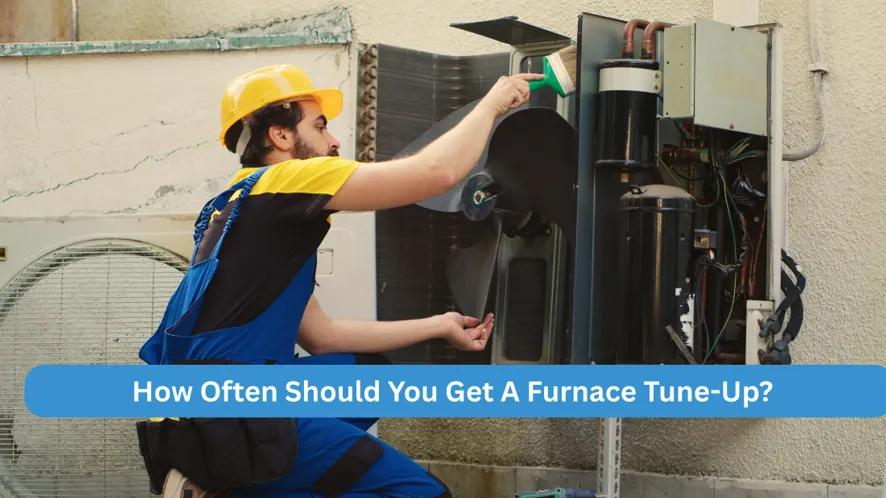
Furnace maintenance is where every homeowner should pay attention to for a reliable heating system. Tuning it up ensures everything is in good shape so that the system runs optimally with no unexpected failures. Irregular or late inspections do more than reduce comfort—they increase safety risks, reduce efficiency, and raise repair costs.
Unfortunately, most homeowners only notice their furnace needs some care when it stops working. But here’s the thing: by then, you’ll have to tackle costly emergency repair bills, pay more for energy, or even face safety hazards like carbon monoxide leaks.
You can catch such issues early with regular service. This way you can replace damaged or worn-out parts before they cause major problems.
So, how often should you get it done? Is it after every few years, only after winter, once, twice, or more per year?
To avoid gambling with your comfort and safety, understanding how often you should tune up is key, and that’s what this guide is all about.
1. Annual Tune-Ups Are the Standard
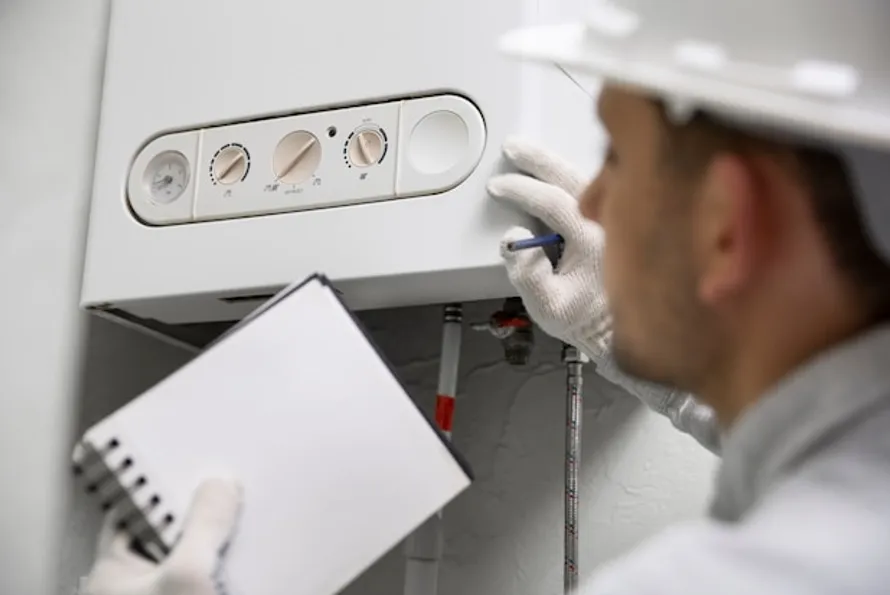
Image source
HVAC professionals recommend furnace tune up at least once a year. This routine tune-up allows the technician to clean the system, oil moving parts, and ensure nothing is out of place. It takes a preventive approach so that you don’t wait to only react when something goes wrong.
While DIYs do help, this checkup is best done by a professional. It’s not just about cleaning dust; there are many critical components of the systems that an inexperienced eye might not give the needed attention.
A thorough inspection by an expert can catch stuff that can easily slip through until it’s too late. A hairline crack in a heat exchanger? That can send CO into your house. A loose wire? That’s a fire hazard waiting to happen.
The golden rule is to schedule it before winter hits. The last thing you want is to fire up the furnace on the first freezing night of the year and realize it’s not working.
2. Twice a Year If Your Furnace Is Old
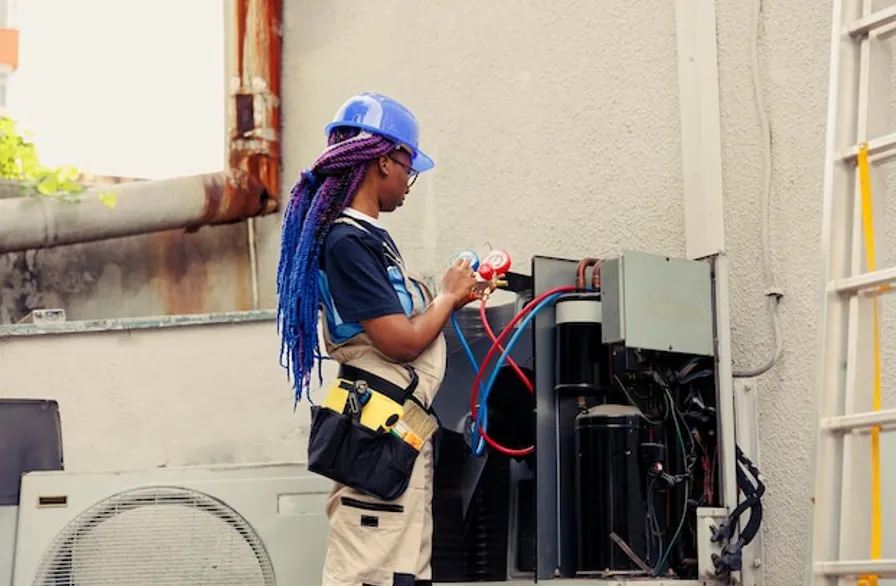
Image source
Now, if your furnace is a senior citizen—say 10 to 12 years or older—it deserves more attention. At that age, parts wear out faster. Think of it like taking your car in for oil changes more often once it gets past 150k miles.
For older furnaces, twice a year isn’t overkill. Once before the heating season, and once after. That spring visit gives a tech the chance to look for damage that happened during the winter grind. It’s a small price to pay to keep the system alive a few more years before replacement becomes inevitable.
Skipping that extra check on an old furnace is basically like rolling the dice. And high chances, you’ll end up dealing with costly repairs down the line.
3. Heavy Use Equals to More Maintenance

Image source
Here’s another thing most people don’t consider: how much you actually use your furnace.
If you live in Central Illinois—places like Champaign, Urbana, Rantoul, or Gibson City—you know winters can be long and biting cold. When your furnace runs almost nonstop from November through March, that’s a lot of wear. In those cases, a “seasonal tune-up” makes sense: one before winter, one after.
But if you’re in a mild climate and only fire it up occasionally, annual is probably fine. Use is everything. The more miles you put on it, the more attention it needs. Same logic as your car—highway miles rack things up faster.
4. Don’t Forget the Warranty
Here’s the part no one likes to read: if you have a newer furnace, your warranty might require annual maintenance. Skip a tune-up, and suddenly your warranty is void. That means if something major fails, you’re paying out of pocket. And that could be thousands of dollars. All because you wanted to save $100–$150 on a tune-up.
It’s like skipping oil changes on a new car. The manufacturer isn’t going to cover repairs if you can’t prove you’ve been taking care of it.
5. Whenever Efficiency Drops

Image source
Annual maintenance is the baseline, but sometimes your furnace basically waves a red flag at you. So, if you notice your system starting to work harder but delivering less quality air and comfort, it’s a sign of reduced efficiency.
Here are a few signs that your furnace needs help sooner:
- It produces strange noises such as grinding or rattling.
- You are experiencing uneven room heating.
- The furnace unexpectedly turns on and off.
- Skyrocketing energy bills.
- You smell dust even after cleaning the vents.
If any of that sounds familiar, don’t wait until your “scheduled tune-up.” Call someone. These early warnings could be signs of bigger underlying problems, and ignoring them is how small issues turn into costly repairs.
Conclusion
So, how often should you get your furnace tune-up? Well, it depends on many factors. That means for some, once a year is the right call—preferably before winter. But, if your system is older or works overtime in harsh climates, you might need to check it at least twice a year.
While calling in an expert might cost a few hundred, that’s way less compared to a $500 emergency repair, or even worse $5,000 replacing the entire system. Plus, there’s the safety side of it—carbon monoxide leaks or fire hazards aren’t something you want to take a risk with.
Bottom line, your furnace is an important investment. Give it the attention it deserves. With regular checkups, it’ll quietly keep your home comfortable and give you peace of mind for years. Skip it, and well… don’t be surprised when you’re calling for an emergency repair at 2 a.m.
Save yourself the trouble by working with a reputable AC maintenance company.