

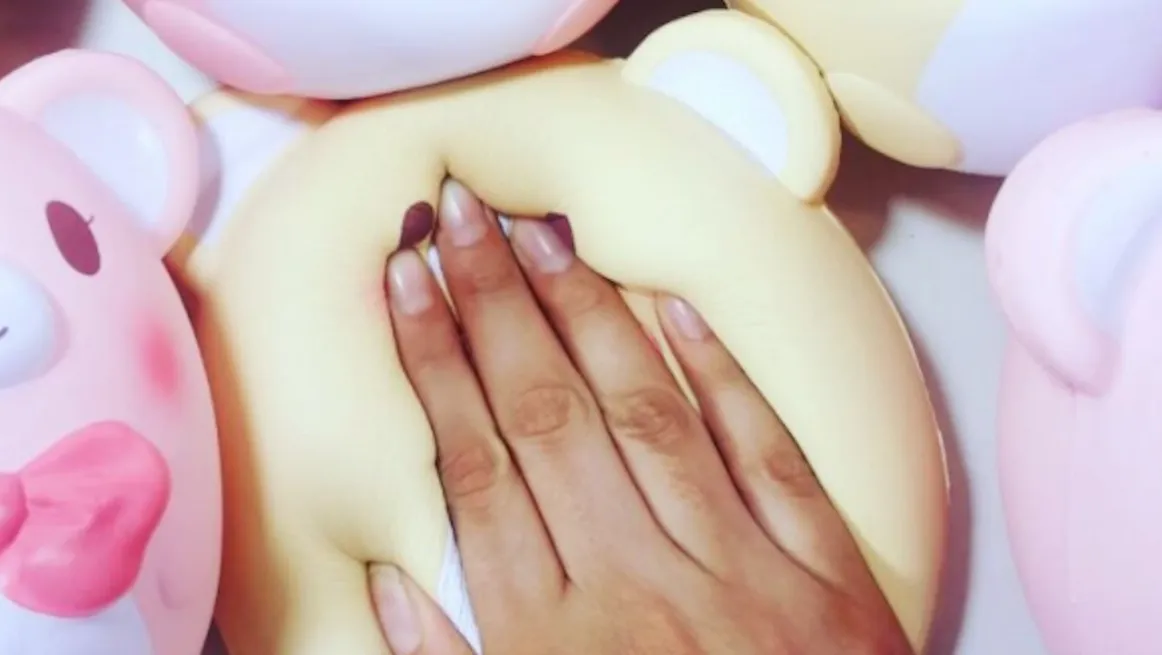
From children in classrooms to adults at their desks, people around the world can’t seem to get enough of squishies—soft, slow-rising foam toys that are fun to squeeze and watch return to shape. But have you ever wondered why these simple toys are so satisfying? What makes us love the feeling of squeezing them? And why are products like Taba Squishies gaining such loyal followings?
This article dives deep into the science behind squishies: the psychological, neurological, and sensory factors that make them so addictive. Spoiler: it’s not just the cuteness—it’s brain chemistry.
What Are Squishies and How Do They Work?
At a basic level, squishies are made from polyurethane foam or memory foam materials that compress when pressed and slowly return to their original shape. Taba Squishies take this concept further by adding creative character designs, pastel colors, and a premium slow-rise texture that enhances the experience.
The key characteristics of squishies include:
- Soft texture: easy and pleasant to touch
- Slow rising: adds a visual reward to the tactile experience
- Cute design: evokes emotional attachment
- Scented or unscented: engages additional sensory channels
But beneath these physical attributes lies a deeper connection to human psychology.
The Brain on Squishies: A Neurological Explanation
1. Sensory Input and Nervous System Response
When you squeeze a squishy, your tactile (touch) receptors send signals to your brain, activating areas responsible for sensory processing and motor control. These sensations trigger a cascade of reactions:
- Release of dopamine: the brain’s “feel-good” chemical
- Reduction in cortisol: the hormone associated with stress
- Stimulation of the parasympathetic nervous system: helps calm the body
This simple action of squishing translates to measurable effects on mood, focus, and relaxation.
2. Repetitive Movement as a Calming Mechanism
Squeezing a squishy is a form of repetitive physical activity, which has been shown to help regulate emotion. It’s the same reason knitting, doodling, or tapping your fingers can be calming. Repetition gives the mind a focus point, grounding you in the present moment.
For individuals with anxiety, ADHD, or sensory processing differences, this repetitive motion can help stabilize attention and lower nervous energy.
3. Haptic Satisfaction: The Pleasure of Touch
Humans are wired to respond to pleasant touch—it’s one of our earliest senses to develop. Soft textures like those found in Taba Squishies activate the somatosensory cortex, the part of the brain responsible for processing touch. This provides a sense of comfort, safety, and satisfaction.
In other words, squishies feel good because our brains are hardwired to enjoy soft, malleable textures.
Emotional Psychology: Why We Love Cute Things
Beyond the sensory aspect, Taba Squishies tap into our love of cuteness—a phenomenon known as “baby schema”. This refers to a set of features (big eyes, small nose, round face) that trigger caregiving instincts in humans.
Taba Squishies often feature:
- Big, round eyes
- Smiling faces
- Chubby shapes
- Playful, animal-inspired characters
These visual elements make people feel warm, happy, and more emotionally attached to the toy. In turn, this increases usage, creating a feedback loop of affection and sensory reward.
Squishies as a Tool for Emotional Regulation
1. Managing Stress and Anxiety
When we’re overwhelmed or anxious, our brains crave a way to feel in control. Squeezing a squishy provides a sense of agency—an action that produces a predictable, safe result.
The physical motion helps dissipate tension, while the softness offers comfort. Many people incorporate squishies into their self-care routines, stress-reduction toolkits, or mindfulness practices.
2. Grounding During Overstimulation
For those with sensory sensitivities, squishies offer a non-verbal coping mechanism. During moments of sensory overload, a Taba Squishy can serve as a grounding object—something reliable and familiar to hold on to.
This is particularly helpful for:
- Children on the autism spectrum
- Individuals with PTSD
- People experiencing panic attacks
3. Mood Boosting Through Tactile Joy
The act of squeezing a squishy may seem simple, but it’s a proven form of self-soothing. Just like hugging a pillow or petting a dog, it releases oxytocin (the bonding hormone) and dopamine, lifting mood and reducing feelings of isolation.
How Squishies Support Focus and Learning
1. Fidgeting Improves Attention
Contrary to popular belief, fidgeting isn’t always a sign of distraction. Research shows that fidgeting can improve concentration, particularly in children and adults with ADHD. Squishies provide an outlet for that fidget energy, helping users channel excess movement into something productive.
Teachers often allow squishies in classrooms because they:
- Keep hands busy
- Support engagement during long tasks
- Reduce disruptive behaviors
2. Helps with Executive Functioning
Executive functioning refers to skills like organization, task initiation, and impulse control. Having a Taba Squishy at your desk can serve as a visual and tactile cue to stay focused, take a mindful pause, or reset when distractions arise.
It becomes a behavioral anchor, reminding the user to stay present.
3. Supports Hand Strength and Coordination
For younger children, squeezing squishies builds fine motor skills—important for writing, dressing, and using tools. For older users or those in occupational therapy, squishies can be used to maintain hand flexibility and reduce stiffness.
Social and Emotional Learning with Squishies
Taba Squishies aren’t just solo tools—they can be integrated into group activities that promote emotional intelligence. In classrooms or therapy settings, they can be used to:
- Express feelings (e.g., “Squeeze the squishy if you’re feeling nervous.”)
- Learn turn-taking and sharing
- Create safe spaces for emotional expression
Some educators create squishy character stories to teach empathy, kindness, and mindfulness. The result? A playful yet powerful aid in social-emotional development.
Why Taba Squishies Are Especially Effective
Taba Squishies elevate the squishy experience through:
- High-quality slow-rise foam for maximum satisfaction
- Creative, original characters with unique personalities
- Safe, non-toxic materials suitable for kids and adults
- Portable sizing so you can take one anywhere
- Appealing aesthetics that trigger positive emotional responses
Their thoughtful design makes them a favorite for:
- Parents looking for safe stress toys for kids
- Teachers managing classroom energy
- Adults needing desk-side relief
- Therapists supporting emotional regulation
The Role of Squishies in Mindfulness and Self-Care
Using a Taba Squishy can be an act of mindfulness—bringing your attention to the present moment without judgment. Here’s how to use it in a mindful practice:
- Sit quietly and take a few deep breaths.
- Pick up your squishy and notice its texture.
- Squeeze slowly and pay attention to the sensation.
- Watch it rise back up, and breathe out as it does.
- Repeat this for a few minutes.
This practice can reduce anxiety, improve emotional awareness, and bring a sense of calm.
FAQs
1. Why do squishies feel so satisfying to squeeze?
Squishies stimulate touch receptors and trigger dopamine release in the brain, offering physical and emotional satisfaction. Their soft texture and slow-rise motion add to the sensory appeal.
2. Can squishies actually help with stress and anxiety?
Yes. The repetitive motion of squeezing, combined with the calming texture and visuals, helps reduce stress and anxiety by activating the parasympathetic nervous system.
3. Are Taba Squishies different from regular stress balls?
Absolutely. Taba Squishies offer a gentler, slow-rising foam, visually soothing designs, and safer materials—making them more enjoyable and effective for all ages.
Squishies might look like simple toys, but the science behind them reveals their incredible value as tools for mental wellness, focus, and emotional regulation. With their soft touch and cheerful charm, Taba Squishies remind us that sometimes, the best form of relief is just a squeeze away.