

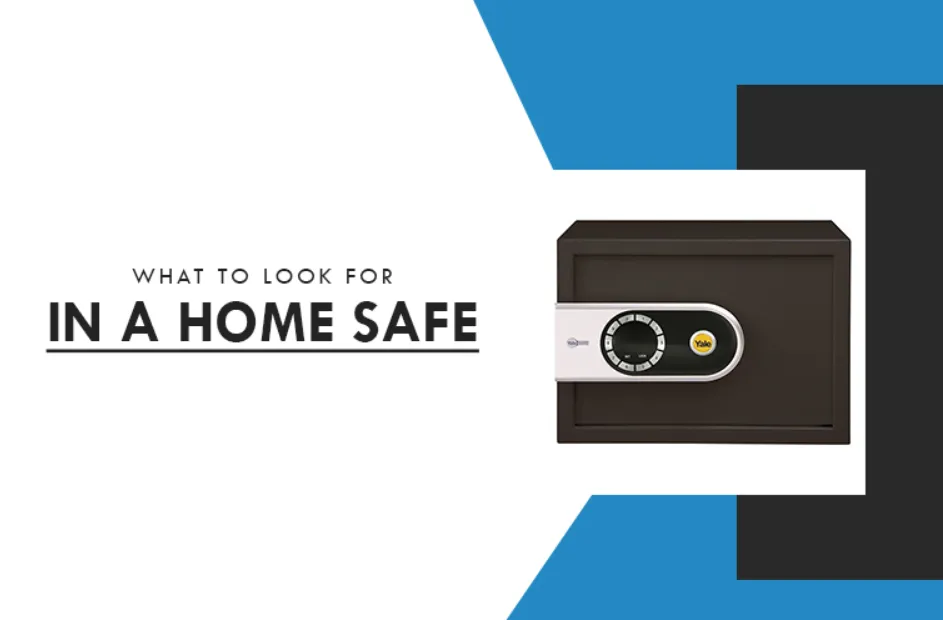
Let’s think this through before we spend a dime.
A home safe isn’t just a metal box. It’s a system meant to buy you time against fire, theft, and plain old carelessness. If you buy wrong, you’ll either outgrow it, regret it, or worse—lose what you meant to protect. The goal here is simple: choose once, choose well, and never look back.
Below is a straightforward checklist — five features that matter. No hype. No magic bullets. Just the fundamentals that separate a real safe from an expensive cabinet.
1. Solid Steel Construction and Body Thickness
This is where most people get fooled. Advertisements talk about “heavy-duty” without mentioning steel gauge. But you can’t fool gravity, and you can’t fool a pry bar.
- Gauge matters. A body made from 12-gauge steel (0.105″) is common entry level. Better units run thicker: 10-gauge (0.135″) or 7-gauge (0.179″). The thicker the steel, the harder it is to breach with common hand tools.
- Door and frame. Look for continuous welds, reinforced door jambs, and minimal seams. A safe is only as strong as its weakest edge.
- Anchoring. Even the best steel won’t help if the safe isn’t bolted down. Anchoring to concrete is the difference between a theft attempt and a stolen box.
Professional wisdom: Most break-ins are smash-and-grab jobs with hand tools. They aren’t Ocean’s Eleven. A body of real steel thickness and proper anchoring will stop 99% of those attempts.
2. Reliable Locking Mechanism
Locks are where convenience meets risk. This is where it usually goes wrong.
- Mechanical locks (dial-style) have been around forever. They’re slower but nearly immune to hacking or EMP failure.
- Electronic locks are quick, programmable, and user-friendly. But only if they’re UL-listed and built by proven manufacturers. Avoid bargain-bin electronics.
- Re-lockers and hardplates. These are backup systems inside the door. If a thief tries drilling, the relocker freezes the bolts shut. A hardened steel plate makes drilling miserable.
Lesson from the field: I’ve seen electronic locks fail after a lightning surge. I’ve also seen dial locks freeze when never serviced. The principle is simple: pick the system that matches your habits, but don’t cheap out. Reliability is what you’re really buying.
3. Fire Protection That’s More Than a Sticker
This is the most misunderstood part of safes. Every brand slaps on a fire rating, but not all tests are equal.
- Look for tested standards. A true UL 72 “Class 350 1-hour” rating means paper inside won’t exceed 350°F during an hour-long furnace test. That’s serious. Many safes only use proprietary testing.
- Composite insulation. Layers of fireboard or concrete composite matter more than painted promises.
- Seals. Expanding intumescent seals around the door swell shut under heat, keeping smoke and moisture out.
Pro tip: House fires often reach 1,200°F within minutes. If your safe is rated 30 minutes, it may protect during a small fire — but for whole-structure events, 60–90 minutes is a more realistic safety margin.
4. Capacity and Interior Flexibility
This is where the marketing numbers lie.
A “24-gun safe” rarely holds 24 rifles with optics and slings. Plan on half to two-thirds of the advertised number.
- Adjustable shelving is critical. A safe that adapts to your changing mix of firearms, documents, or valuables is worth more than a static layout.
- Door panels for pistols, documents, and small items maximize usable space.
- Electrical pass-throughs let you run dehumidifiers or lighting — both critical for long-term storage.
Respect the next trade in line: Think of your future self as the next tradesman. Buy more space than you think you’ll ever need. You’ll thank yourself.
5. Warranty, Service, and Brand Reputation
You’re not just buying steel and gypsum. You’re buying a relationship with the manufacturer and dealer.
- Warranty scope. A lifetime warranty on the body and door, plus a multi-year warranty on the lock, shows confidence.
- Service network. If the lock fails, who fixes it? Reputable brands have certified locksmiths and nationwide dealers.
- Company ethics. Trust matters. After some brands faced criticism for customer privacy or weak policies, buyers became more careful. Know who you’re trusting with access codes and parts.
Example resource: Midway through your search, check a manufacturer’s site like www.libertysafe.com. Liberty is one of the larger U.S. safe makers, with detailed specs, clear warranty terms, and a wide dealer network. Whether you buy from them or not, use their transparency as a benchmark for comparing competitors.
Pulling It All Together
Let’s step back. A home safe isn’t magic. It buys you time — time against thieves, fire, and failure. To get it right:
- Steel that resists force.
- Locks that won’t betray you.
- Fire protection that’s more than marketing.
- Interior that fits your real life.
- Warranty and support that stand behind the product.
Fast is slow if you have to redo it. Buy once, buy right.
Closing Thought
The old guys did this for a reason: they overbuilt. They didn’t count on luck or marketing promises. They built for durability and trust. That’s the mindset you need with a safe.
Ask yourself: If I lost everything tomorrow, would I sleep well knowing I trusted this box?
If the answer is yes, you’ve found your safe. If not, keep looking.