

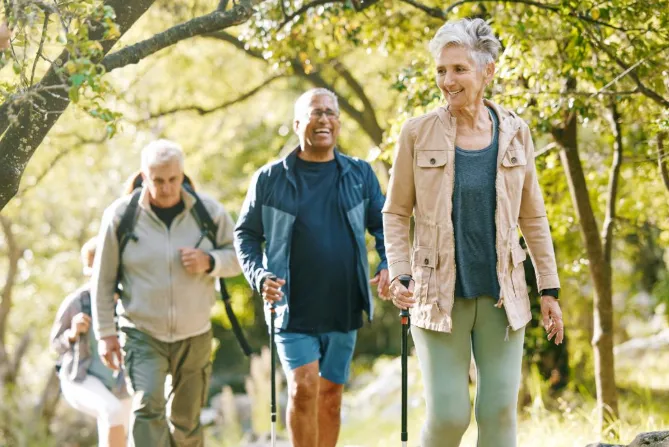
Aging doesn’t mean fading away — not mentally, physically, or emotionally. In fact, more and more older adults are discovering that staying active isn’t just beneficial — it’s essential to living fully.
But what really keeps seniors motivated and energized? The answer lies in activities that hold meaning. Not just ways to pass time, but experiences that spark curiosity, joy, connection, and a renewed sense of purpose.
If you’re caring for a loved one or planning support for an aging parent, understanding what truly fuels their well-being is one of the most powerful ways to help.
Let’s explore some of the engaging activities for seniors that are making everyday life more vibrant, connected, and rewarding.
Why Activity Means More Than Just “Staying Busy”
Research is clear: staying active — physically, mentally, and socially — helps prevent cognitive decline, reduces the risk of depression, and strengthens overall health in older adults. But not all activities have the same impact.
The most effective ones aren’t about entertainment or productivity — they’re about relevance. What feels meaningful to one person may not work for another. The key is in giving seniors options that reflect who they are and what they enjoy.
Mental Stimulation That Sparks Purpose
Keeping the brain engaged does more than preserve memory. It builds confidence, improves mood, and helps older adults stay connected to the world around them.
Some enriching ideas include:
- Listening to audiobooks and discussing them
- Writing letters or journaling memories
- Learning simple technology like sending emails or video calls
- Exploring creative writing or storytelling
- Playing memory and logic games tailored to their pace
Mental activity isn’t about solving puzzles — it’s about staying curious.
Gentle Movement, Real Results
Physical activity doesn’t have to mean exercise classes or long walks. For many seniors, movement looks like gardening, light stretching, dancing in the living room, or taking short strolls around the house.
Practical, low-impact options:
- Chair yoga or guided stretching
- Watering plants or sweeping a porch
- Dancing to familiar music
- Indoor walking routes
- Playing gently with pets or grandchildren
Small, consistent movement supports balance, circulation, and independence — which leads to greater confidence and fewer health risks.
Social Interaction: More Important Than You Think
Isolation is one of the biggest threats to senior health — and one of the most overlooked. Studies continue to show that older adults who maintain social contact have better physical and mental outcomes than those who become isolated.
Simple social connections go a long way:
- Weekly phone or video calls with loved ones
- Neighborhood coffee groups
- Group craft or art classes
- Religious gatherings or book clubs
- Volunteering in community projects
Even occasional, low-pressure interactions can help someone feel valued and included.
Creative Outlets That Uplift
Self-expression is deeply healing — especially through hands-on creativity. Art, music, poetry, sewing, or sculpting can help seniors access memories, regulate emotions, and build confidence.
For those with memory loss or limited verbal ability, creative tasks often open communication in nonverbal ways. Color, texture, and rhythm provide meaningful ways to stay connected to self and others.
Finding Meaning in Everyday Routines
Not all activity needs to be structured. Sometimes, simple daily tasks are the most powerful. Setting the table, choosing an outfit, or helping with meal prep gives seniors a sense of contribution and control.
When older adults are invited to participate — not just be “cared for” — their mood, energy, and sense of dignity improve.
This is where the right kind of support matters. Home care agencies help seniors stay active and engaged in their daily lives without taking away independence, as seen with Coast Family Home Care. When caregivers guide without overstepping, seniors gain both safety and freedom — a balance that makes all the difference.
Personalized Activities Based on Health and Ability
No two seniors are alike. Some may be navigating chronic illness, limited mobility, or memory challenges. That doesn’t mean meaningful activity is off the table — it just needs to be adapted.
Some individuals benefit from visual stimulation, others from touch or sound. For someone recovering from a stroke or living with dementia, even holding a soft fabric or listening to calming music can offer comfort.
This is where professional home care services play a vital role. Caregivers trained in senior wellness understand how to modify activities so they’re safe, appropriate, and still enjoyable. They know how to meet someone where they are — emotionally and physically.
Final Thoughts
The best senior activities aren’t there to pass the time — they bring time to life. They remind people who they are, what they love, and that they still have so much to contribute.
Whether it’s through movement, art, conversation, or shared memories, meaningful activity helps older adults feel like themselves again. If you’re supporting someone through aging, don’t underestimate the value of trying something simple, personal, or even silly.
Because in the end, it’s not just about keeping busy — it’s about feeling alive.