

Image from Unsplash
If you’re anything like me, you’ve probably tossed something in the trash and thought, “Wait… could that have been recycled?” With today’s confusing labels and ever-changing rules, it’s no wonder many of us end up guessing. But getting it right can make a real difference—for the planet and sometimes your wallet.
Take toner cartridges, for example. I used to throw mine away without a second thought—until I learned not all of them are truly empty when we think they are. In fact, there’s a simple way to check if they still have some life left. Sell Toner offers a helpful guide on how to tell if your ink or toner cartridge is actually empty—and if it’s brand new and unused, they’ll even buy it from you. For the rest? Recycling is the way to go. That plastic and leftover ink doesn’t belong in a landfill.
Let’s look at 7 everyday items you absolutely should recycle (plus one bonus surprise at the end). You’ll be amazed at how much you could save—or save from the trash.
1. Toothbrushes and Toothpaste Tubes
These plastic warriors work hard, twice a day, but their afterlife is anything but noble. Most end up in landfills—or worse, in the ocean.
Here’s the twist: brands like Colgate and programs like TerraCycle offer recycling options for oral care products. Some dental offices even collect them. That’s right—your old toothbrush could be reborn as park benches or playground equipment.
2. Used Cooking Oil
If your idea of disposing of cooking oil involves pouring it down the sink, we need to have a little chat.
Not only is that a plumbing disaster waiting to happen, but used cooking oil can actually be recycled into biodiesel—a renewable energy source. Many cities in the U.S. offer collection points for oil. According to the U.S. Department of Energy, biodiesel helps reduce greenhouse gases and can be used in vehicles, heating systems, and more.
Next time you fry something, pour that leftover oil into a sealed container and drop it off at a local recycling facility instead.
3. Wine Corks
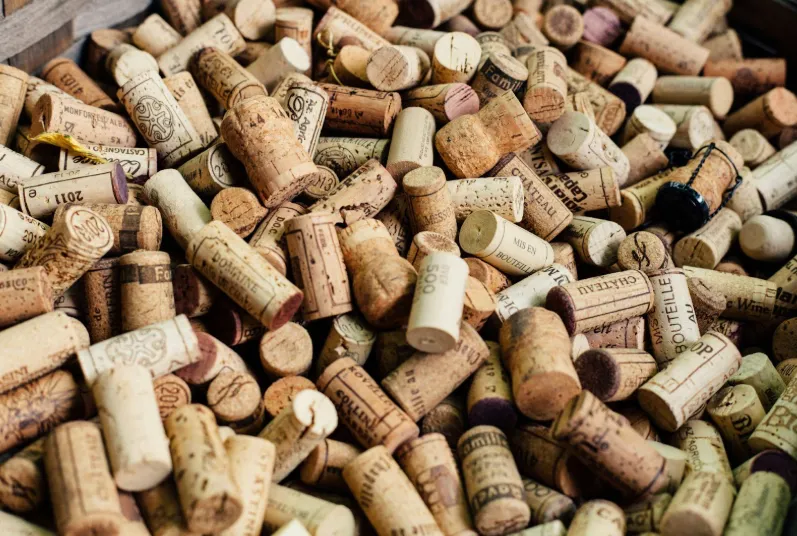
Image from Unsplash
Finished a nice bottle of red and tossed the cork? You’re not alone—but you’re also missing an upcycle opportunity.
Natural cork is biodegradable and recyclable. Organizations like ReCORK accept used wine corks and turn them into yoga blocks, shoes, and even flooring. Just collect them in a jar and ship them off when you’ve got a batch. Bonus: it’s a great excuse to drink more wine (for the environment, of course).
4. Broken Crayons
Ever step on a crayon stub and think, “Well, that’s useless now”? Think again.
Crayons can be melted down and re-formed into new ones. Several schools and non-profits, like The Crayon Initiative, collect old crayons and create new ones for children’s hospitals. It’s recycling with a heart—and probably the only time a broken crayon can bring actual joy.
5. Greeting Cards
We love getting them, we hate tossing them, and most of us don’t know what to do with them. If the card is all-paper (no glitter, ribbons, or musical chips), it’s fair game for the recycling bin.
But you can go one better: organizations like St. Jude’s Ranch for Children accept the fronts of old cards and repurpose them into new ones to raise money for their programs. That birthday card from Aunt Joan? It could help a child in need.
6. Ink and Toner Cartridges
Printer cartridges might not seem like a big deal, but they’re one of the most overlooked sources of plastic waste in homes and offices. Each cartridge is made with a mix of plastic, metal, foam, and residual ink—materials that don’t break down easily and can leach harmful substances into the environment if improperly disposed of.
The worst part? Millions of cartridges end up in landfills each year, despite the fact that they’re almost entirely recyclable. Many manufacturers and office supply stores have take-back programs that allow you to return used cartridges for proper processing. Some are refurbished and reused, while others are broken down into raw materials to be used again.Recycling just one cartridge can save nearly a gallon of oil and prevent pounds of waste from entering the landfill. It’s a small action with a surprisingly big environmental payoff.
7. Sneakers
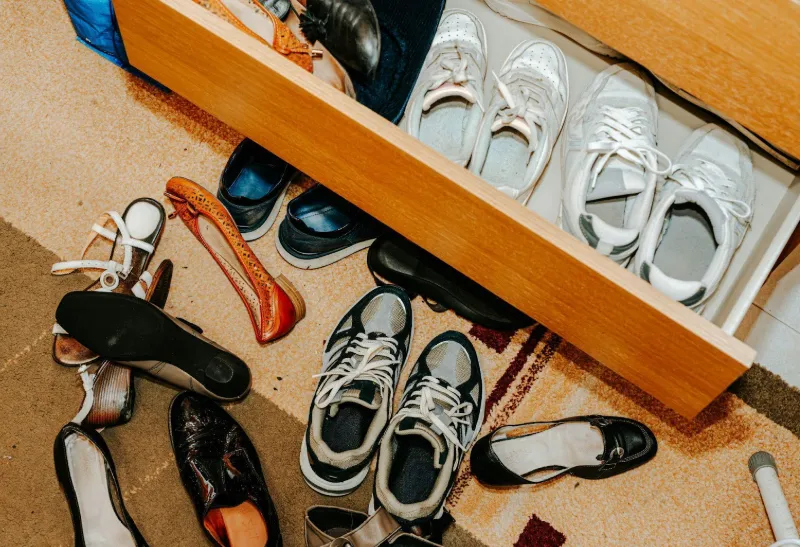
Image from Unsplash
Sneakers take a beating, and when they’re done, most of us just…bin them. But companies like Nike’s “Reuse-A-Shoe” program turn old kicks into playground surfaces, running tracks, and even gym mats. You can also donate gently worn pairs to shelters or sneaker-specific nonprofits.
Imagine your Air Max 2012s living on as a basketball court for future hoop dreams. Kind of poetic, right?
Bonus Surprise: Hair
Yep, you read that correctly. Human hair is not just for clogging drains and scaring people in horror movies. It can actually be recycled!
Organizations like Matter of Trust collect hair clippings to create hair mats that soak up oil spills in oceans. According to NOAA, these mats are surprisingly effective and eco-friendly. Next time you get a haircut, ask your salon if they participate in any recycling programs—it might just save some fish.
One (Recycled) Step at a Time
Recycling isn’t just about paper and soda cans anymore. It’s about rethinking what we toss, reclaiming the valuable bits in our everyday waste, and finding creative new lives for items we once thought were done for. With a little effort and a bit of curiosity, you can turn your trash into someone else’s treasure—or your own second chance at sustainability.
So before you throw away that half-used tube of toothpaste, busted sneaker, or toner cartridge, pause for a second. That item might just be your first step toward a cleaner, more conscious life.