

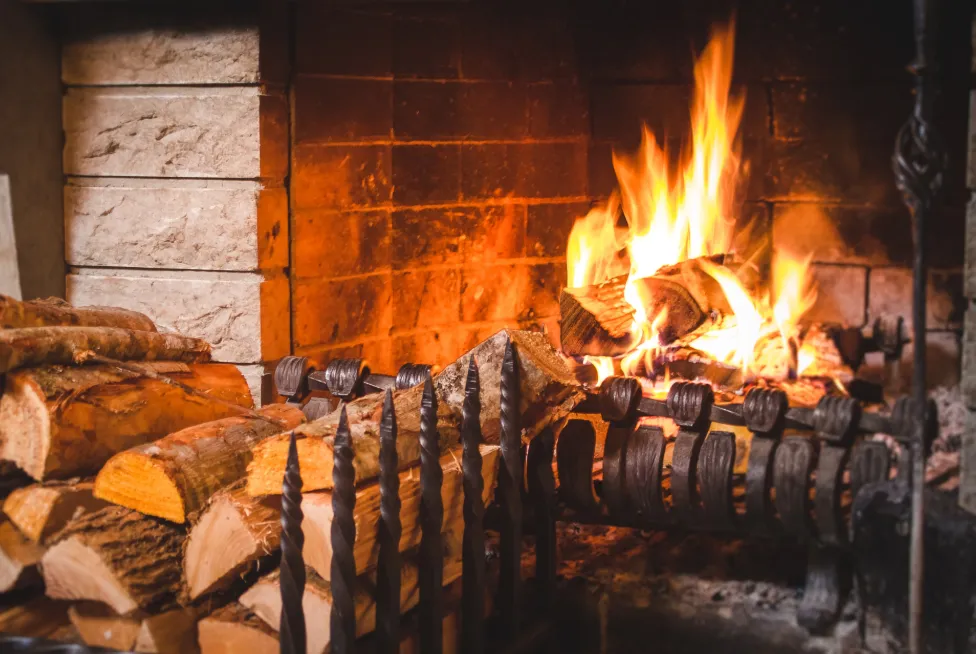
There is something deeply comforting about the glow and warmth of a real wood fire. Far from being an old-fashioned heating method, using firewood remains a popular and practical choice for many modern households. It offers a unique combination of warmth, ambiance, and self-sufficiency that other heating systems struggle to match.
This guide will walk you through everything you need to know about heating your home with firewood. We will explore its benefits compared to gas and electric systems, explain how to select and store your fuel, and cover the best practices for burning wood safely and efficiently.
Why Choose Firewood for Home Heating?
While central heating is standard in most UK homes, wood heating offers compelling advantages. It can serve as a primary heat source for a well-insulated home or as a supplementary system to reduce reliance on fluctuating energy markets. Many people appreciate the independence it provides, especially during power cuts.
Beyond practicality, heating with wood connects you to a timeless tradition. The process of stacking logs and tending a fire brings a sense of satisfaction and creates a cosy focal point in any home, encouraging family to gather and relax.
The Benefits of Wood vs. Gas and Electric Heat
Choosing a heat source involves weighing costs, environmental impact, and convenience. Here’s how firewood stacks up against gas and electricity:
- Cost-Effectiveness: While initial setup costs for a wood-burning stove can be significant, the running costs are often lower. Firewood prices are generally more stable than the volatile gas and electricity markets, giving you more predictable heating bills.
- Sustainability: When sourced from responsibly managed forests, firewood is a renewable energy source. The carbon dioxide released during burning is part of the natural carbon cycle, as it is reabsorbed by growing trees. This makes it a more carbon-neutral option compared to fossil fuels.
- Reliability: A wood-burning stove or fireplace works independently of the power grid. During a winter storm or power outage, you can still keep your home warm and safe.
- Ambiance and Comfort: The radiant heat from a wood fire is unique. It warms objects in the room, not just the air, creating a deep and lasting warmth that feels more comfortable than forced-air systems.
Selecting the Right Firewood for Your Home
The quality of your fire depends entirely on the quality of your wood. The best firewood is seasoned or kiln-dried, meaning its moisture content has been reduced to below 20%. Wet or “green” wood is difficult to light, produces a lot of smoke and creosote (a flammable tar-like substance), and generates very little heat.
Firewood is generally categorised into two types: hardwood and softwood.
- Hardwoods: From slow-growing deciduous trees like oak, ash, and beech. They are dense and burn longer and hotter, making them ideal for sustained heating.
- Softwoods: From faster-growing coniferous trees like pine and spruce. They light easily and burn quickly, which is great for getting a fire started but less efficient for long-term heating.
Oak Logs vs. Birch Logs: What’s the Difference?
Two of the most popular hardwoods in the UK are oak and birch. While both are excellent choices, they have different burning characteristics.
Oak logs are renowned for their density and slow, steady burn. Because they are so dense, they can take longer to season but offer an exceptionally long burn time and high heat output once lit. This makes oak logs perfect for keeping a fire going overnight or providing consistent, powerful heat throughout the coldest winter days.
Birch logs, on the other hand, are slightly less dense. They ignite more easily and produce a bright, beautiful flame, making them a fantastic choice for creating a cheerful atmosphere. While they burn faster than oak, they still provide good heat. Many homeowners use birch logs to get a fire roaring quickly before adding slower-burning logs to maintain it.
Tips for Storing Your Firewood
Proper storage is crucial for keeping your firewood dry and ready to use. Storing wood correctly prevents mould, rot, and insect infestations while ensuring it burns efficiently.
- Elevate Your Stack: Never stack firewood directly on the ground. Use a dedicated log store, pallets, or parallel pieces of lumber to raise the stack, allowing air to circulate underneath and preventing ground moisture from seeping in.
- Ensure Good Airflow: Stack logs with enough space between them for air to move freely. This helps the wood continue to dry and prevents moisture from getting trapped. A crisscross stacking pattern at the ends of the pile can improve stability and ventilation.
- Cover the Top, Not the Sides: A top cover, like a tarpaulin or a purpose-built roof, will protect your woodpile from rain and snow. However, leave the sides open to the air. Fully enclosing the pile traps moisture and can lead to mould.
- Choose a Sunny and Breezy Location: If possible, place your wood store in a spot that gets plenty of sun and wind. This will naturally help keep the moisture content low.
How to Burn Firewood Efficiently and Safely
Getting the most heat from every log not only saves you money but also reduces emissions. Modern wood-burning stoves are designed for high efficiency, but your technique also matters.
Building an Efficient Fire
The “top-down” fire-building method is highly effective. Place your largest logs at the bottom of the firebox. Add a layer of smaller logs on top, followed by a layer of kindling. Finally, place a firelighter on the very top of the pile and light it. The fire will burn downwards, igniting the larger logs slowly and cleanly, which minimises smoke and maximises heat output.
Safety Precautions for Your Household
Safety should always be your top priority when heating with wood.
- Install Smoke and Carbon Monoxide Alarms: These are non-negotiable. Install them near your appliance and in sleeping areas, and test them regularly.
- Have Your Chimney Swept Annually: A professional chimney sweep will remove creosote buildup, which is a leading cause of chimney fires.
- Use a Fireguard: If you have children or pets, a sturdy fireguard is essential to prevent accidental burns.
- Never Burn Treated Wood: Avoid burning pallets, furniture, or pressure-treated wood. These can release toxic chemicals when burned.
- Dispose of Ashes Safely: Let ashes cool completely in the firebox before removal. Store them in a metal container with a tight-fitting lid away from any flammable materials.
Modern Appliances for Wood Heating
Today’s wood-burning appliances are far more advanced than traditional open fireplaces. Modern, Ecodesign-compliant wood-burning stoves are engineered for clean and efficient combustion. They can achieve efficiency ratings of over 80%, meaning most of the wood’s energy is converted into useful heat for your home.
These stoves feature controlled air intakes that allow you to manage the burn rate precisely, helping you get more heat from each log. Many also include an “air wash” system that keeps the glass door clean, preserving the beautiful view of the flames.
A Warm and Sustainable Choice
Heating your home with firewood is a rewarding experience that offers financial, environmental, and personal benefits. By choosing high-quality, dry wood and following safe, efficient practices, you can enjoy the unparalleled comfort of a real fire all winter long. It’s a sustainable way to stay warm while reducing your reliance on conventional energy sources.
As you prepare for the colder months, taking the time to understand the nuances of wood heating will ensure your home remains a cosy and inviting sanctuary.
Homeowners in the UK can source quality firewood from trusted suppliers such as Lekto Wood Fuels.