

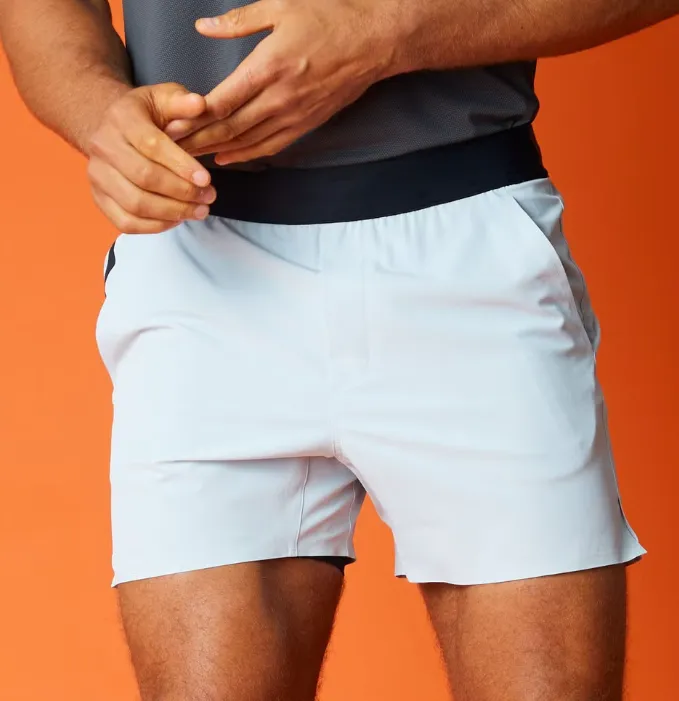
Not all shorts are built the same. The wrong pair looks sloppy, restricts movement, and becomes uncomfortable within an hour. The right pair does exactly the opposite. Men’s shorts span a massive range of contexts, from the gym to the beach to a casual lunch. Getting that range right requires specific design decisions at the fabric, fit, and construction level. The men’s shorts market is growing fast, with athleisure driving much of the demand. Men want shorts that travel between activities without needing a wardrobe change. This article breaks down how the best pairs achieve that balance.
Why Is Fabric the Most Important Decision?
Fabric determines almost everything about how a pair of shorts performs and feels. Cotton is comfortable but absorbs moisture and dries slowly. That makes it a poor choice for anything involving activity or heat. Polyester blends dry fast, resist odor, and hold their shape wash after wash.
The best casual shorts for active everyday use use a lightweight woven polyester with a small percentage of elastane. This combination gives you durability without weight, quick drying without the cold feel of straight synthetics, and stretch without the tight look of athletic compression wear.
What Is the Right Length for Men’s Shorts?
Length is where most men get it wrong. Too short and it reads as gym-only. Too long and it looks dated and visually shortens your legs. The sweet spot is between 7 and 9 inches in inseam length, finishing two to four inches above the knee.
Research into men’s fashion preferences consistently shows the above-knee finish as the most widely preferred and most versatile length. It works for a beach day, a casual restaurant, a sporting activity, and running errands. Go shorter and you lose social contexts. Go longer and you lose the visual proportion that makes shorts look intentional.
How Much Should You Rely on Pockets?
Pockets matter more than most men think about them. You need depth for a phone and wallet without the items falling out when you sit. You need secure closures for anything valuable. You do not need cargo pockets, which add bulk and visual weight to the lower body.
Most well-designed shorts include two front slash pockets, one back pocket with a snap or button, and sometimes a small zip pocket for essentials. That configuration covers every practical need without turning the shorts into a utility belt. Placement also matters. Deep-set pockets that follow the side seam rather than cutting across the front preserve the clean line of the shorts.
What Makes Shorts Actually Comfortable in Heat?
Breathability depends on weave density. A tighter weave traps more air but resists moisture evaporation. A looser weave allows more airflow but offers less structure. Performance shorts use open-weave fabrics that allow cross-ventilation without sacrificing shape.
Internal liners are a feature worth paying attention to. Some shorts include a brief-style liner that eliminates the need to wear separate underwear. This reduces friction, improves airflow, and simplifies what you wear. Others prefer external underwear with unlined shorts. Both work, but the presence or absence of a liner should be a deliberate choice, not a surprise when you first wear them.
Can Casual Shorts Work in Multiple Settings?
Yes, but fit is the deciding factor. A well-fitting pair of tailored shorts in a solid neutral color can go to a casual restaurant, a social gathering, or a weekend activity without looking out of place. The same pair in a poor fit looks like something you found in the back of a drawer.
Versatile shorts avoid loud prints, excessive branding, and overly casual features like drawstring waists with visible cords at the front. An internal drawstring with a flat front reads as intentional. Clean hems, consistent stitching, and quality hardware all contribute to whether a pair of shorts looks like a choice or an afterthought. Quality is visible even in the most casual garments.