

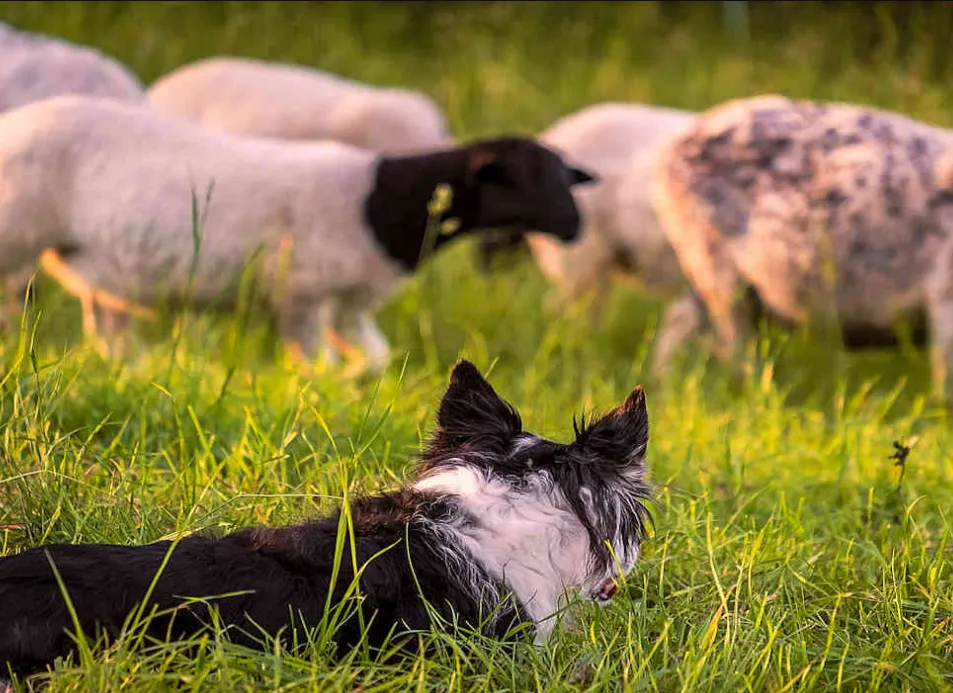
Dogs have long been valued not only as companions but also as skilled partners in work and play. Among the many activities that showcase their natural abilities, sheep herding and barn hunt stand out as two distinct yet equally compelling disciplines. Each taps into a different aspect of a dog’s innate talent — herding relies on intelligence and control, while barn hunt draws on instinct and scent detection. Together, they reveal just how versatile, driven, and capable dogs can be when given a job that mirrors their ancestral roles.
Sheep herding is a discipline rooted in tradition, especially among breeds that have historically worked livestock. Border Collies, Australian Shepherds, and other herding dogs possess a powerful drive to control the movement of animals. This isn’t something they’re taught from scratch — it’s already embedded in their DNA. Training refines that instinct, channels it, and turns what could be chaotic energy into precise, calculated movement. Watching a well-trained dog respond to a shepherd’s whistle or verbal cue, shifting positions to guide a flock, is nothing short of breathtaking. The dog isn’t just reacting; it’s thinking, predicting, adjusting its strategy in real time.
What makes sheep herding especially fascinating is the communication between human and dog. Handlers must read the situation as it unfolds, guiding their dogs while trusting them to make quick decisions in the field. It’s a dance of mutual respect — the human sets the tone, and the dog interprets and executes with a level of intelligence that often surprises those unfamiliar with the sport. For the dog, it’s not only physically demanding but mentally stimulating, offering a sense of purpose that goes far beyond a typical walk or fetch game.
On a very different stage, barn hunt takes place not in open pastures but in enclosed spaces filled with straw bales, tunnels, and hidden scent targets. Though the environment is entirely different from sheep herding, the goal is similar: give the dog a task that mirrors its instinctual behavior. Barn hunt is based on the historical role of vermin-hunting dogs, particularly terriers, that were bred to locate and eliminate pests in barns and farms. In modern barn hunt competitions, rats (safely housed in ventilated tubes) are hidden among bales, and dogs are timed as they navigate the course, using their noses and instincts to locate the quarry.
Barn hunt appeals to a dog’s primal drive to hunt, dig, and search. Unlike herding, which is often dominated by specific breeds, barn hunt is open to a much wider range of participants. Dogs of all sizes, shapes, and backgrounds can compete — from Dachshunds to mixed breeds. What unites them is their desire to follow scent trails and their eagerness to explore. Success in barn hunt relies not just on the nose but also on problem-solving ability. The dog must interpret a maze of smells, determine the most likely location of the target, and signal to the handler with clarity.
Both sheep herding and barn hunt require a high degree of intelligence, focus, and adaptability. But perhaps even more importantly, they offer dogs something that many miss in modern life: a sense of function. Dogs that participate in these sports often show increased confidence, reduced anxiety, and greater overall satisfaction. They’re doing what they were born to do — and that fulfillment radiates in every move they make.
These sports also strengthen the bond between dog and handler. Whether guiding sheep across a pasture or navigating hay bales in search of a hidden scent, the handler learns to read subtle cues from their canine partner. It’s not about domination or obedience; it’s about partnership. Trust becomes the foundation, and over time, communication deepens into something nearly intuitive.
Engaging in sheep herding or barn hunt is not merely a pastime; it’s an invitation for dogs to embrace their heritage and for handlers to witness their companion’s true potential. These activities bring out not only the natural talents dogs possess, but also the joy, drive, and intelligence that define the most extraordinary canine athletes.