

Climate change is no longer a distant or abstract issue. It is happening now, reshaping the world’s weather, ecosystems, and economies in ways that are increasingly difficult to ignore. While awareness has grown, the gap between understanding the problem and taking meaningful action remains wide, and real, sustained action is essential.
The Reality We Are Already Living In
The impacts of climate change are no longer predictions. They are measurable, visible, and accelerating. Across Europe, 2025 saw widespread record-breaking heat, extreme wildfires, and severe drought, with 95% of the continent experiencing above-average temperatures. This is not a one-off event but part of a pattern. By mid-century, heatwaves that were usually considered extreme could occur every other year as the norm.
Climate change is also a major threat to human health. Without intervention, heat-related deaths in the UK could rise dramatically in the coming decades. Some projections are suggesting tens of thousands of deaths annually under severe warming scenarios. On a global scale, climate change is already considered one of the biggest threats to human health, affecting food security, water availability, and disease patterns.
Why Urgent Action Matters Now
One of the most important facts about climate change is that timing matters. The world has already temporarily exceeded 1.5°C of warming above pre-industrial levels, a critical threshold identified by scientists. Every fraction of a degree beyond this point increases the severity of impacts.
Delaying action makes the problem harder and more expensive to solve. For example, failing to address climate risks could significantly damage economies, with projections showing reduced GDP and rising public costs under higher warming scenarios. The longer emissions continue, the more irreversible damage occurs, from biodiversity loss to rising sea levels that will persist for centuries.
The Environmental Cost of Inaction
The natural world is already under strain. Species are declining at alarming rates, with significant reductions in global wildlife populations over recent decades. Rising temperatures are shrinking habitats and increasing the risk of extinction. Extreme weather events are becoming more frequent and intense. Heatwaves, heavy rainfall, and storms are not only disrupting ecosystems but also damaging infrastructure, agriculture, and livelihoods. These impacts are interconnected, meaning that a failure in one system, such as food production, can ripple across society.
What Can Be Done: Turning Awareness into Action
The scale of the challenge can feel overwhelming, but solutions exist. Real action requires effort at every level, from governments and industries to individuals.
- Building a Career That Tackles Climate Change
One of the most impactful ways to contribute is by working directly in climate solutions. Industries focused on renewable energy, sustainable infrastructure, and carbon removal are growing rapidly. For example, companies like Carbon Clean are developing carbon capture technologies that remove CO₂ from industrial emissions. Exploring carbon capture careers can place individuals at the forefront of climate innovation. Careers in this space are not limited to scientists or engineers. Roles in business, policy, communications, and finance are all critical to scaling climate solutions.
- Supporting Systemic Change
Individual actions matter, but systemic change is essential. Public support for climate policies is already strong, but still more can be done. People can:
- Advocate for stronger climate policies
- Support organizations pushing for environmental protection
- Vote for leaders committed to climate action
These actions help create the political and economic conditions needed for large-scale change.
- Reducing Personal Impact
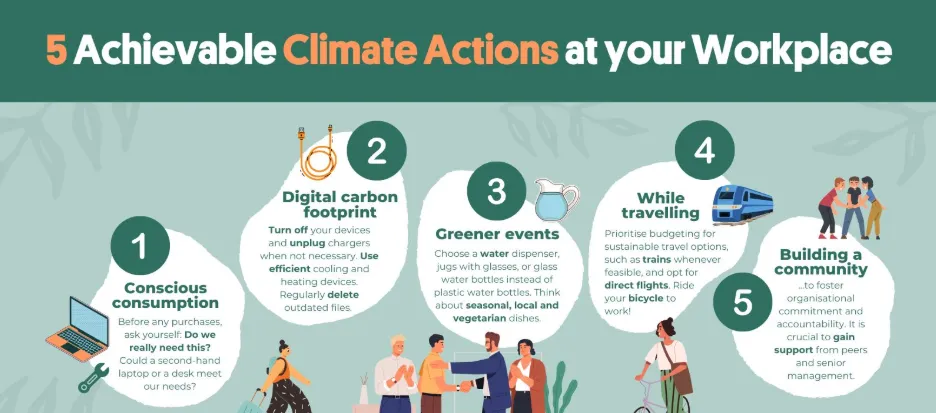
While systemic solutions are key, individual choices still play an important role. Reducing energy use, choosing sustainable transport, and making environmentally conscious purchasing decisions can lower personal carbon footprints. Globally, average emissions per person need to decrease significantly to meet climate targets, highlighting the importance of lifestyle changes alongside broader reforms.
A Defining Moment
Climate change is often described as the defining challenge of our time, and for good reason. The decisions made in the next decade will shape the planet for generations to come.
The situation is serious, but it is not hopeless. Every action taken now can reduce future harm. Every delay increases the risks.