

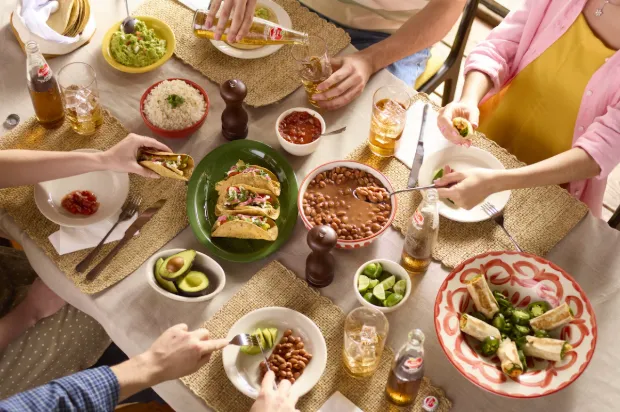
A special meal at home can feel every bit as celebratory as a night out, while giving you full control over the menu, music and guest list. Birthdays, anniversaries and personal milestones all fit comfortably around your own table. The secret lies in treating the evening as an occasion from the start, from the invitation to the final bite of dessert.
Restaurants often inspire these gatherings, especially when you’re planning one of the classic fine dining occasions. Still, you don’t need a reservation or a formal dining room to make dinner memorable. A clear plan and a few thoughtful details can turn a familiar space into your favorite table in town.
The Allure of Home Dining
Home dining gives you freedom that’s hard to find at a busy restaurant. You can choose the exact start time, keep the music at conversation level and serve dishes according to your guests’ pace. Nobody has to give up the table for the next booking, so the evening can stretch from appetizers to coffee without anyone checking the clock.
The idea shares some qualities with private dining, where privacy and personal service shape the experience. At home, though, every detail can reflect the people around the table. You might serve a family recipe on inherited plates, recreate a favorite vacation meal or build a menu around the guest of honor’s favorite flavors.
A home celebration can also work well for people who find crowded dining rooms tiring. Parents can put young children to bed nearby, older relatives can sit in familiar chairs and guests can move between the table and living room as needed.
Give the gathering a clear identity before buying ingredients. “Coastal lunch,” “Sunday supper” and “summer garden dinner” offer more direction than a vague plan to cook something fancy. Once you have a simple theme, decisions about food, tableware and music become much easier. You’ll also avoid buying decorations or ingredients that don’t contribute to the occasion.
Setting the Perfect Scene
Start with the table and work outward. Clear away mail, charging cables and everyday clutter, then decide how much table space the meal will require. Large centerpieces may look impressive in photos, but low flowers, herbs in small jars or a few battery-operated candles leave room for serving dishes and eye contact.
Restaurant interiors can provide practical inspiration. Galleries of beautiful restaurant spaces show how lighting, color and texture work together to create a mood. Borrow one idea instead of copying an entire room. Warm lamps can soften a winter dinner, while linen napkins and a bowl of citrus can brighten a spring lunch.
Use the dishes and glasses you already own before shopping for matching sets. A mix of plates can look intentional when they share one feature, such as a similar color or shape. Cloth napkins add a polished touch, and they don’t have to be perfectly folded. A loose knot or simple rectangle works well.
Plan the soundtrack to last longer than dinner. Begin with something upbeat while guests arrive, then move toward quieter songs once everyone sits down. Keep the volume low enough that nobody needs to compete with the chorus. Finally, adjust the room temperature before guests arrive. A dining space often gets warmer once the oven has been running and several people are seated together.
Effortless Gourmet Experiences
Choose a main dish that lets you spend time at the table. Meals that require constant frying, flipping or last-minute assembly can trap the host in the kitchen. Braised dishes, baked pasta and meal kits with clearly prepared components keep the work manageable while still feeling special.
For a relaxed coastal-style celebration, Maine Lobster Now’s at-home lobster roll kit offers a convenient centerpiece for individuals and families who want fresh lobster rolls without preparing every component from scratch. Pair the rolls with a crisp salad, roasted potatoes or corn, then serve fruit shortcake for dessert. The menu feels festive while leaving enough time to enjoy your guests.
Build your timeline backward from the serving time. If dinner starts at 7 p.m., aim to finish dessert before guests arrive and complete cold side dishes by late afternoon. Set the table early, chill drinks and place serving utensils beside the correct dishes. That last detail prevents the familiar scramble for a spoon while the food cools.
Limit the menu to one standout main, two sides and a dessert. Extra courses create more dishes, more timing problems and more chances for something to sit too long. If you enjoy cooking, put your effort into one memorable element such as homemade rolls, a bright sauce or a layered dessert. Store-bought items can fill the supporting roles without apology.
Do one quick rehearsal for an unfamiliar menu. Read every recipe from beginning to end, check that serving bowls fit in the refrigerator and confirm that your baking dishes fit in the oven together. Ten minutes of checking can prevent an awkward surprise at dinnertime.
Pairing Drinks and Dishes
A good drink pairing refreshes the palate and supports the meal’s main flavors. You can create thoughtful combinations with sparkling water, iced tea, juice spritzers and alcohol-free cocktails. Offer plain water too, ideally in a pitcher on the table so guests can refill their glasses without interrupting the conversation.
Match intensity first. Delicate seafood works well with citrus-infused sparkling water, cucumber coolers or lightly brewed green tea. Rich pasta and roasted vegetables suit tart cherry spritzers or unsweetened black tea. Spicy dishes benefit from drinks with a little sweetness, such as mango iced tea or a pineapple and lime cooler.
Temperature and texture matter as much as flavor. Bubbles can cut through creamy sauces, while a chilled herbal drink brings contrast to warm roasted food. For dessert, coffee pairs naturally with chocolate and caramel. Fresh berries or lemon cake may work better with mint tea or a simple sparkling lemonade.
Set up one self-serve drink area away from the cooking zone. Include glasses, ice, napkins and garnishes so guests don’t gather beside a hot oven. Label homemade drinks if their ingredients aren’t obvious, especially when they contain common allergens or strong flavors.
There’s room for a small pun on the menu card too. “You’re one in a melon” works beside a watermelon cooler, while “Thanks a brunch” fits a late-morning celebration. Keep it light and personal. One good line gets a smile, but a whole menu of jokes may leave guests groaning before the appetizers arrive.
Memories Made Around the Table
The best home occasions leave space for people to connect. Serve food family-style when the table allows it, since passing bowls creates an easy rhythm and invites conversation. For a larger group, a buffet can be more comfortable. Seat anyone with limited mobility near the easiest route and keep frequently used items within reach.
Give the evening one simple focal point beyond the meal. At a birthday dinner, each guest might share a short memory about the person being celebrated. An anniversary table could include a few printed photos from different years. For a reunion, place blank cards near each setting and ask everyone to write down a favorite shared moment.
Phones can support the gathering without taking it over. Choose one person to take a few group photos early, when the table still looks fresh and everyone is present. After that, let the devices fade into the background. Candid conversation usually becomes the part people remember.
Don’t rush to clear every plate as soon as someone finishes. Wait until the whole table is ready, then invite a guest to join you in the kitchen if they offer help. That small pause keeps slower diners comfortable and preserves the relaxed mood.
A homemade celebration rarely unfolds with restaurant-level precision, and that can become part of its charm. A slightly crooked cake or a forgotten garnish may turn into the story everyone retells. Send guests home with an extra dessert, save the playlist and take one final photo of the table. Those modest details give the evening a life beyond the last course.