

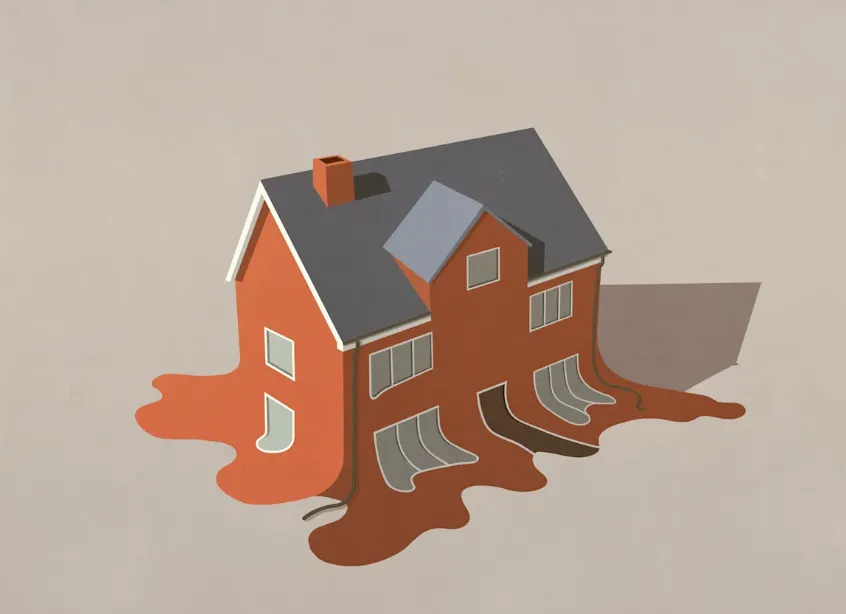
DIY projects can be incredibly satisfying. Whether you’re putting up shelves, building furniture, or tackling a garden structure, there’s a real sense of achievement in doing it yourself. But many DIY disasters have one thing in common: poor fixings. What might seem like a minor detail at the start can quickly turn into a costly, frustrating, and even dangerous problem.
When Small Components Cause Big Problems
Fixings are often overlooked in favor of more visible elements like timber, paint, or design features. However, screws, nails, bolts, and anchors are what hold everything together. Choosing the wrong type, size, or quality of fixing can compromise the entire project.
For example, using standard screws in plasterboard without proper wall anchors can lead to shelves pulling away from the wall. Similarly, opting for low-quality nails in structural timber can weaken the integrity of a build over time. These issues might not be immediately obvious, but they tend to surface when weight, pressure, or weather conditions come into play.
The Most Common DIY Fixing Mistakes
One of the most frequent errors is mismatching fixings to materials. Different surfaces require different solutions. Masonry, wood, metal, and drywall all have specific fixing requirements, and ignoring this can result in poor grip and instability.
Another common mistake is underestimating load capacity. It’s easy to assume a few screws will hold up a heavy item, but without checking weight limits, you risk failure. This is particularly important for wall-mounted furniture, TVs, or outdoor structures exposed to wind.
Using incorrect lengths or diameters is another issue. Fixings that are too short may not penetrate deeply enough to provide stability, while overly long ones can damage materials or create uneven finishes.
How to Avoid DIY Disasters
The good news is that most fixing-related problems are entirely avoidable with a bit of planning and the right materials.
Start by understanding the surface you’re working with. If you’re unsure, take the time to research or ask for advice before starting. Matching the correct fixing to the material is one of the simplest ways to improve durability and safety.
Investing in quality fixings is equally important. Cheap alternatives may save money upfront, but they often lack the strength and reliability needed for long-term use. Sourcing from trusted suppliers like Tradefix Direct ensures you’re working with products designed for performance and longevity.
It’s also worth paying attention to weight ratings and installation techniques. Using wall plugs, anchors, or specialist fixings where required can make a significant difference. Always follow recommended guidelines for spacing, depth, and load distribution.
The Long-Term Impact of Getting It Right
Taking fixings seriously doesn’t just prevent immediate mishaps; it protects your work over time. Properly secured installations are less likely to loosen, shift, or fail, saving you from repairs and replacements down the line.
More importantly, it improves safety. Poorly fixed items can pose real risks, especially in homes with children or in high-traffic areas. A falling shelf or unstable structure is more than just an inconvenience.
DIY success often comes down to the details. By choosing the right fixings and applying them correctly, you can turn a potential disaster into a project that stands the test of time.