

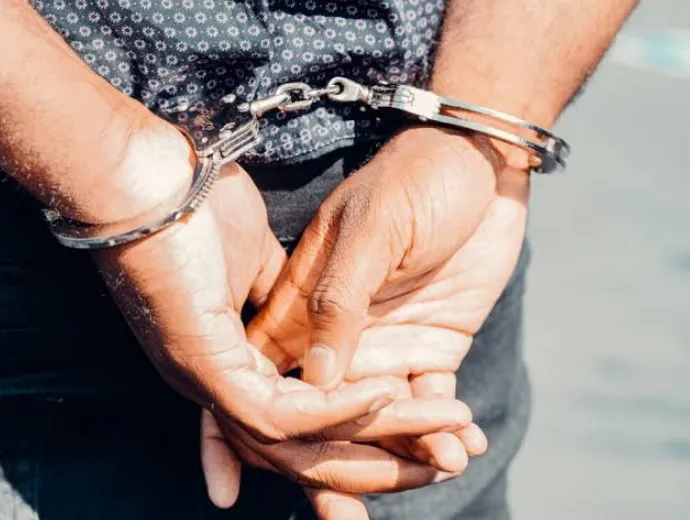
You might be sitting with a knot in your stomach right now, trying to understand how one charge, one night, or one decision could ripple through the rest of your life. Before the arrest, life had a certain rhythm. Work, family, friends, plans for the future. After a violent felony charge or conviction, everything can feel uncertain, like the ground under you has shifted and you are not sure where it is safe to step. Visit mailletcriminallaw.com to learn more about your options.
If that is where you are, you are not overreacting. A violent felony is not just about prison time or probation. It can affect your job, your home, your ability to support your family, and even how people look at you. At the same time, there is a path forward. You can understand what you are facing, make better choices, and work with a criminal defense lawyer to limit the damage as much as possible.
In simple terms, here is the big picture. A violent felony conviction can lead to incarceration, strict supervision after release, loss of rights, and long term “collateral consequences” that follow you into housing, employment, education, and family life. Yet there are defenses, sentencing options, and post conviction remedies that can change the outcome or soften the long term impact. Knowing the terrain is the first step to protecting yourself and your future.
What actually changes after a violent felony conviction?
When people think about a violent felony, they usually picture prison first. That is understandable, because the immediate fear is losing your freedom. But the legal system affects your life in layers. There is the direct sentence, then there are the ongoing legal limits, and then there is the quiet, everyday fallout that shows up when you try to move on.
On the legal side, a violent felony usually carries longer potential prison terms and stricter parole or probation conditions. Courts and prosecutors often treat these cases as “high risk” which can mean higher bail, fewer plea offers, and more pressure to accept harsh terms. If you are convicted, you may face mandatory minimum sentences, firearm restrictions, and registration requirements, depending on the charge.
Then there is the life side. Employers run background checks. Landlords reject applications. Schools and licensing boards may close their doors. These are called collateral consequences, and they are very real. The National Institute of Justice has documented thousands of these legal and practical barriers in what is known as the National Inventory of Collateral Consequences of Conviction. You can see how wide reaching they are in this resource on the impact of collateral consequences on corrections and reentry.
Because of all of this, you might be asking yourself a hard question. Even if I serve my time, will I ever really be free again?
How do these consequences show up in everyday life?
To make this more real, imagine a few common situations.
You apply for a job you know you can do. The interview goes well. Then the background check comes back, and the offer disappears without much explanation. Or you are trying to find an apartment so your kids have a stable place to stay. The landlord says they are “going in another direction” and you suspect it is because of your record.
Maybe you want to get a professional license, start a small business, or go back to school. You discover that certain licenses are off limits to people with violent felony convictions, or that financial aid is harder to get. If you are not a U.S. citizen, you may face immigration consequences that could separate you from your family.
The National Institute of Justice tracks these barriers through the National Inventory of Collateral Consequences of Conviction. It shows how one conviction can trigger dozens or even hundreds of restrictions, depending on your state and your situation.
So where does that leave you? It means that with a violent felony charge, you are not just fighting a case. You are protecting your future ability to work, live, and rebuild.
Why is early, focused criminal defense so important?
Once you see how far the consequences can reach, the next question is obvious. What can you do about it now, before it is too late?
This is where a strong defense matters. A knowledgeable criminal defense lawyer does more than argue in court. The right lawyer looks at the full picture. Not just “Can we avoid prison” but “How can we reduce this to a non violent offense, avoid certain labels, or structure a plea in a way that limits long term damage.”
For example, in some cases it might be possible to negotiate a plea to a lesser, non violent charge. In others, careful investigation can expose weaknesses in the prosecution’s case, which can lead to dismissal or acquittal. Even when a conviction is likely, there may be sentencing alternatives, treatment programs, or structured reentry plans that position you better when you return to the community.
Every choice you make now, from what you say to police to whether you accept a plea, can echo for years. That is why having someone in your corner who understands both the courtroom and the collateral consequences of a violent felony conviction can change your path in ways you might not see on your own.
What are the tradeoffs if you try to handle this on your own?
You might be wondering if you really need professional help. Maybe you are thinking about using a public defender without asking many questions, or even trying to handle parts of the process yourself to save money. It is natural to worry about cost, but it helps to weigh the risks and benefits clearly.
| Approach | Short term benefit | Hidden risks for a violent felony case |
|---|---|---|
| Handling things on your own | No attorney fees. Full control over decisions. | High chance of missing defenses, deadlines, and collateral consequences. Prosecutors may push harsher offers. You may accept a plea that hurts your future more than you realize. |
| Relying on an overworked public defender without questions | You have a lawyer at no direct cost. Some public defenders are very skilled. | They may have limited time to explain options, investigate, or negotiate. Important details about immigration, licensing, or housing consequences might not get enough attention. |
| Working closely with a focused criminal defense lawyer | Personalized strategy. Careful review of evidence. Thoughtful plea or trial planning. | There is a financial cost. You need to be honest and engaged. However, you gain a clearer view of both immediate and long term consequences. |
This is not about scaring you into anything. It is about recognizing that with a violent felony conviction, the margin for error is very small. A decision that seems minor today can close doors for decades.
What can you do right now to protect yourself?
When everything feels overwhelming, it helps to focus on a few concrete steps. Here are three actions you can take starting today.
1. Stop talking about the case to anyone but your lawyer
It can be tempting to explain your side to friends, family, or even social media. You may want to “clear things up” with the alleged victim or witnesses. That urge is human, but it is dangerous. Anything you say can find its way back to the prosecutor and be used against you. Until you have clear legal guidance, keep case related conversations between you and your attorney.
2. Gather information and documents that tell your story
Even when the charge is serious, your life history matters. Start collecting work records, school records, letters from employers or community members, proof of counseling or treatment, and anything else that shows who you are beyond this case. A skilled criminal defense attorney can use this information in negotiations, at sentencing, or when arguing for alternatives that reduce long term harm.
3. Ask direct questions about collateral consequences
When you speak with a criminal defense lawyer, do not be shy. Ask how different outcomes might affect your job, housing, immigration status, gun rights, and future record clearing options. Ask whether a plea would be considered a “crime of violence” under your state law or federal law. A good lawyer will welcome those questions and help you weigh short term and long term tradeoffs before you decide anything.
Finding a way forward after a violent felony charge
Facing a violent felony accusation or conviction can make you feel like your life has been reduced to one file on a prosecutor’s desk. It has not. You are still a whole person, with a past, a family, and a future that is worth protecting.
You cannot erase what has already happened, but you can choose how you respond now. You can stay informed about the consequences of a violent felony conviction, you can avoid quick decisions made out of fear, and you can reach out for skilled legal help that looks beyond just “guilty or not guilty.”
You do not have to go through this alone. Talk with a criminal defense lawyer who will take the time to understand your story, explain your options in plain language, and fight for an outcome that gives you the best chance to rebuild. The sooner you get that guidance, the more room you have to shape what comes next.