

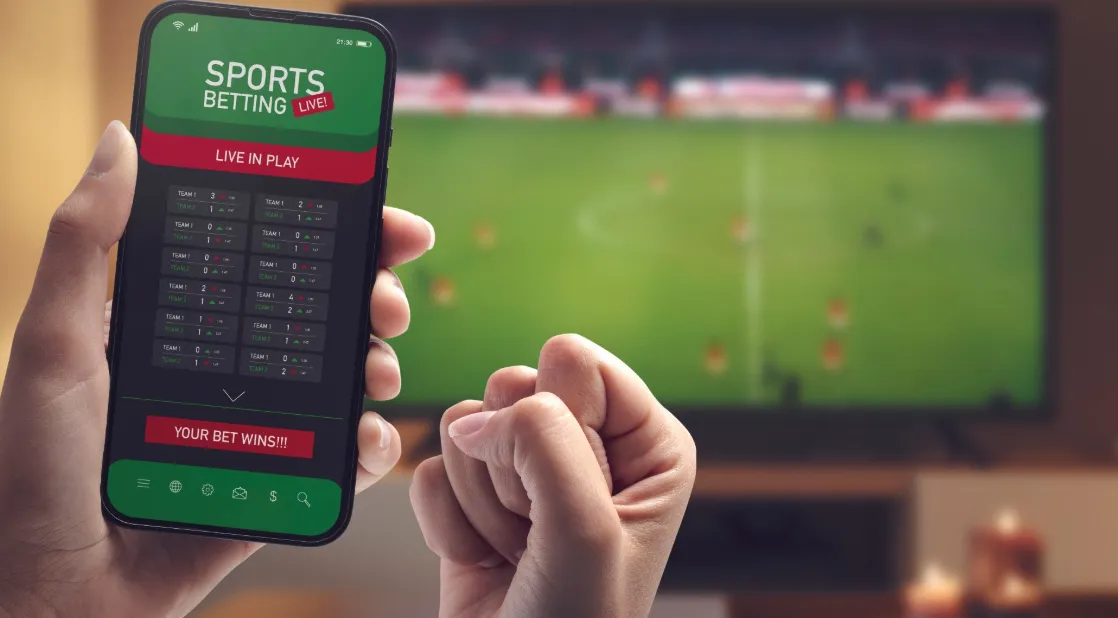
Most people use their phones for betting, thanks to the modern convenience of having a connection to the internet wherever they are. Betting apps on those phones make the process even quicker through user-friendly interfaces, so it’s easy to explore and navigate huge digital sportsbooks.
Besides, today you can choose from dozens of licensed operators and access any of them within minutes. To do that, it’s enough to visit a site like Legalbet.uk, which analyses and compares bookies, allowing you to check service quality across sportsbooks before picking the right one. Once you’ve made your choice, you can jump straight into a betting platform or download its app.
But back in the day, a lot of bettors used the phone in a different way to place bets. Long before having mobile computing power in the palm of your hands, people would take a far more personal approach by actually calling a bookmaker from a landline. There was no tapping of a screen to place a bet; instead, you had to actually talk to someone and explain clearly and concisely what it was that you wanted to bet on.
A Hotline to Bets
Even though it all sounds terribly archaic, there are still some instances of bookmakers today accepting phone bets. While the vast majority of wagers are now placed online or through mobile apps, phone betting remains available at certain high street betting shops, and incredibly, a handful of online sportsbooks continue to offer the service as well.
But in a world driven by instant apps, live streaming, and one-tap deposits, why would anyone still bother picking up the phone to place a bet? More importantly, why do some bookmakers continue to support what seems like such an outdated method?
For some punters, it comes down to tradition and familiarity. Many long-time bettors simply prefer the personal interaction and reassurance that comes with speaking directly to a betting operator. Others may use phone betting for placing unusually large wagers, discussing special requests, or avoiding technical issues that can occasionally affect online platforms.
From the bookmaker’s perspective, offering phone betting can help cater to older customers, VIP clients, and high-stakes bettors who value a more tailored service. In certain cases, it also adds an extra layer of flexibility and customer support that automated systems cannot always provide.
Still In Service
It’s a similar situation to there still being phone banking available, even though it’s largely outdated, and most people are using banking apps or websites. So there are online bookmakers that accept phone bets, and typically those are major providers who have a long-established history.
Having someone on the end of the line waiting to accept incoming calls is an expensive outlay for the bookmaker, and it’s cheaper to have everything digital. But clearly, for some, it’s still an investment worth making and tying it into part of the customer support team’s duties makes the prospect more fiscally viable.
Who Uses It?
Phone betting is a tiny percentage of an online bookmaker’s business, but it’s still a way that older generations of bettors may be more comfortable with, as opposed to trying to navigate a fancy newfangled app. Mobile phones may be difficult to read, and multiple reports have shown that older people are not as computer-literate as younger ones.
For individuals who have had previous experience of calling their local bookie, it may still be a preferable and reliable option. There’s also the potential of there being vulnerabilities in gaining internet access. Some people may live in areas where data connectivity isn’t reliable or gets interrupted when bad weather rolls in.
To circumvent potentially dodgy connections, certain people may find it more reliable to place a bet quickly on an upcoming horse race over the phone than fight with an internet connection that goes in and out. That can be taken further, too, because if a bookmaker’s website is having technical issues or going through some downtime because of updates, it may just be quicker for customers to call and place their bet.
Getting Personal
While most of us live in a more isolated world where connections are made only through text messages and posts on social media platforms, some people still prefer the personal touch. It may feel more secure for them to get verbal confirmations of the bets they place, rather than just the instant feedback from an app.
If you do fancy picking up the phone and calling in a bet rather than doing a quick tap on your phone, it will be a secure process. You will have to set up a unique phone betting account number first as a layer of security, and this will be passed on to the operator when you call. A preloaded balance will also have been put in place, likely through a bank transfer.
Further verifications through security questions, date of birth or a password would be required too. Once verification has been done, the operator can tell the caller everything they need to know about their account, like their betting balance and the status of recent wagers. It’s then down to the caller to clearly relate what event they are betting on, what the selection is, what the type of bet is and the stake.
One More Type
There’s one more type of bettor that prefers a phone bet – VIP bettors. Think someone who wants a four or five-figure stake on the outcome of the World Cup Final, for example. VIPs are likely going to want a human to handle this request, and at the same time, potentially try to get more favourable odds because of their status. It’s also a good option when a VIP wants a more complex bet or requires access to their credit line. Either way, surprisingly, phone betting has not completely gone away.
In the end, phone betting is a reminder that not every aspect of gambling has been completely overtaken by technology. While it may seem old-fashioned compared to sleek betting apps and instant online markets, it still serves a purpose for a niche group of bettors who value convenience, personal interaction, or a more traditional approach. As long as there are punters who prefer speaking to a real person rather than tapping a screen, bookmakers are likely to keep the service alive — even if it remains a small part of the modern betting industry.