

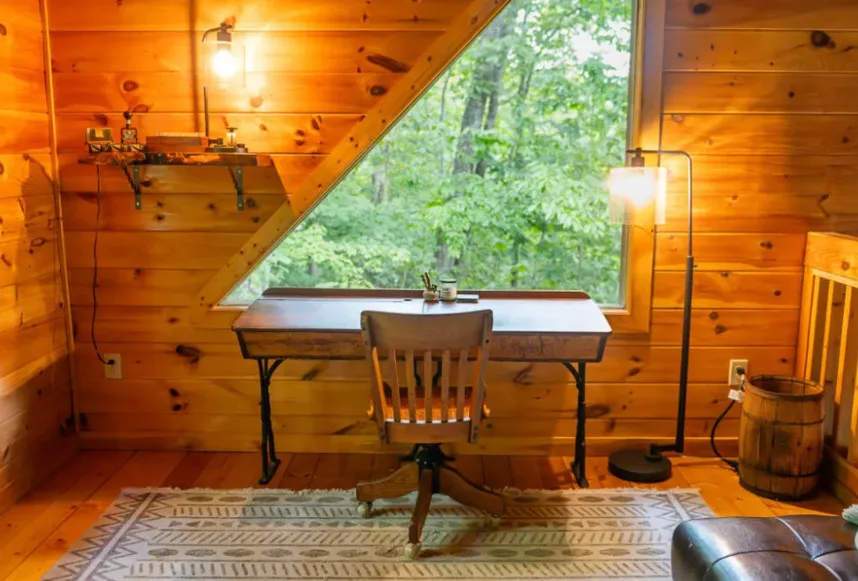
A beautiful home does not have to begin with a large budget. It can begin with a chair left near a trash room, a wooden table found at a garage sale, a lamp from a thrift store, or a mirror someone no longer wanted. Many homes look cold because every item was bought at once from the same store. A home built from found objects often feels more personal because each piece has a history, a problem solved, or a small repair behind it.
Designing a home with things from the street, garbage areas, second-hand shops, flea markets, and garage sales requires more than grabbing random objects. It requires judgment. You need to know what is safe, what is worth repairing, what will fit your space, and what should stay where you found it. The goal is not to fill your home with junk. The goal is to build rooms with function, comfort, and character while spending little.
Street-found design works best when you treat it as a slow process. You are not shopping from a catalog. You are hunting, editing, cleaning, fixing, and arranging. Some weeks you may find nothing. Then one Saturday, you may find a solid oak chair, a ceramic lamp, and a set of brass hooks for less than the price of lunch. Patience is part of the method.
The first rule is simple: see potential, but do not ignore problems. A scratched wood table can become the center of a dining area. A stained mattress should not come home with you. A rusty metal shelf may be cleaned and sealed. A soft chair with a strange smell may carry pests, mold, or years of dirt. Good design starts with good selection.
This article explains how to design your home using found, discarded, and second-hand items without making the space look messy or unsafe. It covers what to collect, what to avoid, how to repair pieces, how to make mismatched items work together, and how to build a home slowly without losing control of your space.
1. Change How You Look at Discarded Things
A street find is not automatically trash. Many people throw away furniture because they are moving, downsizing, redecorating, or replacing one style with another. A perfectly usable cabinet may sit beside a dumpster because the owner did not want to carry it. A chair may be tossed out because one screw is loose. A mirror may be abandoned because the frame looks dated.
Good second-hand design starts with looking past surface problems. Dirt can be cleaned. Ugly paint can be stripped or covered. Old handles can be replaced. A wobbly leg can often be fixed with glue, screws, or a bracket. What matters more is the quality of the material, the shape of the item, and whether it can serve a clear purpose in your home.
Solid wood is usually worth a second look. Older wooden furniture often has better bones than cheap modern furniture made from thin particleboard. A heavy side table, a real wood chair, or a thick cabinet door can survive sanding, painting, and daily use. Even if the finish is damaged, the structure may still be strong.
Metal furniture can also be valuable. Steel shelves, iron stools, filing cabinets, and old tool carts can work in kitchens, offices, garages, entryways, or plant corners. Surface rust does not always mean the piece is ruined. Deep rust, broken welds, or sharp edges are different. You need to inspect carefully before deciding.
Glass and mirrors can add light to a small room. A second-hand mirror can make a hallway feel wider or brighten a dark bedroom. Glass tabletops, jars, vases, and picture frames are easy to clean, but you should avoid cracked pieces. Cracked glass can break under pressure and cause injury.
Textiles require more caution. Curtains, rugs, cushions, and upholstered furniture can carry odors, dust, mold, and pests. Some fabric items are worth saving if they are washable and in good condition. Others are not worth the risk. A washable cotton curtain from a garage sale may be useful. A stained couch left in the rain should be avoided.
The best way to train your eye is to separate the object from its current condition. Ask four questions. Is it safe? Is it cleanable? Is it useful? Does it fit the space? If the answer is yes to all four, the item deserves attention. If one answer is no, think carefully before bringing it home.
A home designed with found objects should not look like a storage room. The pieces need purpose. A chair should be comfortable or sculptural. A shelf should hold something you actually use. A basket should solve a storage problem. A frame should display art, photos, fabric, or a print. When every item has a job, the room feels collected instead of cluttered.
2. Know What to Take and What to Leave
A good street-find home depends on strong editing. Free does not mean useful. Cheap does not mean smart. The biggest mistake is taking too much because the price is low or the item feels like a lucky find. A small apartment can become crowded fast when every rescued object comes inside.
Start with hard furniture. Tables, chairs, stools, shelves, cabinets, benches, nightstands, and desks are often the safest categories to collect second-hand. They have clear functions, and many can be cleaned with soap, water, disinfectant, sanding, or paint. They are also easier to inspect than soft furniture.
Look for stable legs and strong joints. A chair should not twist when you press on the back. A table should not rock badly unless the issue is only an uneven floor. Drawers should slide, or at least show signs they can be repaired. Hinges should not be completely torn out of the wood. Minor looseness is common. Broken frames are harder to fix.
Avoid furniture with swollen particleboard. Cheap flat-pack furniture often expands when it gets wet. Once the boards swell, they rarely return to shape. You may see bubbling, peeling veneer, soft corners, or crumbling edges. These pieces often look worse after repair and may not hold screws well.
Inspect items for pests before bringing them home. Bed bugs, roaches, and wood-boring insects can turn a free item into an expensive problem. Check seams, screw holes, drawer corners, fabric folds, and the underside of furniture. Tiny black spots, shed skins, eggs, holes in wood, or moving insects are warning signs. Leave the item behind if you are unsure.
Smell is also important. Musty odors can mean mold or long-term dampness. Smoke smells can stay in wood and fabric for months. Pet urine can soak deep into upholstery and rugs. Some smells improve with cleaning and sunlight. Others stay forever. If the odor is strong outdoors, it will be worse inside.
Be careful with electrical items. A second-hand lamp can be a great find, but old wiring can be unsafe. Check the cord for cracking, exposed wires, loose plugs, buzzing, burning smells, or flickering. If you love the lamp, take it to a professional for rewiring or use a modern lamp kit. Do not gamble with unsafe electricity.
Skip used mattresses from the street. Mattresses are difficult to clean deeply, and they can carry bed bugs, mold, bodily fluids, and odors. The same caution applies to heavily upholstered sofas, padded headboards, and recliners, especially if they were left outside. A second-hand bed frame is different. A metal or wood frame can often be cleaned and reused.
Collect smaller objects with intention. Baskets, trays, hooks, frames, ceramics, jars, bowls, bookends, lampshades, plant pots, and small stools can add useful detail to a room. These pieces are easy to clean and easy to move if they do not work. They also help connect bigger furniture through color, texture, and repetition.
Carry a basic hunting kit if you often look for street finds or visit garage sales. Keep gloves, a measuring tape, a flashlight, disinfecting wipes, a screwdriver, a small blanket, and bungee cords in your car or bag. The measuring tape matters more than people think. A beautiful cabinet is not useful if it blocks a doorway or cannot fit through your stairwell.
Measure your rooms before you hunt. Write down the width of blank walls, the height under windows, the depth available beside the bed, and the size of your entryway. Keep these notes on your phone. Found design rewards quick decisions, but quick decisions should still be informed by numbers.
3. Build Each Room Around One Strong Anchor
A home made from second-hand and discarded pieces needs structure. Without structure, the room can look accidental. The easiest way to control the design is to build each room around one anchor piece, then add useful layers and character layers.
The anchor is the largest or most visually important item in the room. In a living room, it may be a sofa, coffee table, media cabinet, rug, or large bookcase. In a bedroom, it may be the bed frame, dresser, headboard, or wardrobe. In a dining area, it is usually the table. The anchor gives the room direction.
A found anchor does not need to be perfect. A scratched farmhouse table can anchor a kitchen. A low wooden cabinet can anchor a living room. A painted metal locker can anchor an entryway. A large second-hand mirror can anchor a hallway. What matters is scale, purpose, and presence.
Once you have an anchor, add the useful layer. This layer solves daily problems. It includes lamps, side tables, storage baskets, shelves, hooks, stools, trays, bins, and small surfaces. These items make the room easier to live in. A room without useful layers may look interesting, but it will not support your routine.
Then add the character layer. This layer includes art, books, plants, ceramics, framed fabric, unusual objects, old photographs, handmade items, and travel pieces. It gives the room identity. The character layer should not bury the useful layer. A table still needs space for a cup. A shelf still needs space for storage. A chair still needs space for a person.
In a living room, you might begin with a second-hand sofa or a found wood coffee table. Add a garage-sale floor lamp, a crate used as a side table, and a basket for blankets. Then add framed prints from old books, a thrifted ceramic bowl, and plants in mismatched pots. The room now has comfort, function, and personality.
In a bedroom, you might use a found wooden door as a headboard. Sand it, seal it, and mount it safely behind the bed. Add second-hand nightstands, clip-on lamps, a thrifted chair, and baskets under the bed. Keep bedding clean and simple. Fresh sheets can make older furniture feel intentional.
In a kitchen, found objects can solve storage problems. A metal shelf can hold pans, jars, and dry goods. A small second-hand table can become a prep station. Old glass jars can store grains, tea, coffee, or utensils. Hooks from a garage sale can hold mugs or towels. A salvaged wood board can become a wall-mounted spice shelf if cleaned and sealed properly.
In an entryway, function matters most. Look for a narrow bench, a wall mirror, a tray for keys, hooks for coats, and a basket for shoes. These pieces do not need to match. They need to fit the space and handle daily use. Repeating one color, such as black, white, or natural wood, can make the mix feel planned.
In a home office, second-hand design can work especially well. A solid table can serve as a desk. A used filing cabinet can store paperwork. A lamp from a thrift store can add focused light. Shelves made from reclaimed boards can hold books or equipment. A comfortable chair may be worth buying new if you work long hours, but the rest of the room can come from rescued pieces.
Outdoor spaces can also benefit from found design. Metal chairs, old stools, crates, ceramic pots, and small tables can create a balcony or patio corner. Avoid soft indoor furniture outdoors unless it is protected and easy to dry. Moisture ruins many materials fast.
The anchor method keeps you from collecting without direction. Before taking an item home, ask where it belongs in the room. Is it the anchor, the useful layer, or the character layer? If it does not fit any role, leave it behind.
4. Repair, Clean, and Upgrade Before You Decorate
A found item should not enter your home and go straight into use. It needs inspection, cleaning, and often repair. This stage separates intentional second-hand design from clutter.
Start with cleaning. Use gloves and work outside if possible. Remove dust, dirt, stickers, loose paint chips, and old drawer liners. Vacuum cracks and corners. Wash hard surfaces with mild soap and water, then disinfect where appropriate. Let items dry fully before placing them indoors.
Wood needs careful treatment. If the surface is only dirty, clean it and apply furniture oil or wax. If the finish is rough, sand lightly with medium-grit sandpaper, then smooth with finer grit. Always sand in the direction of the grain. Wipe away dust before painting, staining, or sealing.
Paint can unify mismatched furniture. Three different chairs may look random in three different finishes. Painted in the same color, they can look like a set. A chipped dresser may feel tired in dark brown but clean in warm white, soft green, black, or natural sand tones. Paint is not magic, but it can give unrelated pieces a shared language.
Hardware changes can make old furniture feel sharper. Replace broken knobs, rusty pulls, missing screws, and damaged hinges. You do not need expensive hardware. Thrift stores, salvage shops, and online marketplaces often sell mixed handles and knobs. Matching all handles on one piece creates order even if the furniture itself is old.
Fabric repairs can change a chair quickly. Many dining chairs have removable seats held by screws underneath. Remove the seat, pull off the old fabric, add new batting if needed, stretch new fabric over the cushion, and staple it underneath. Use washable fabric for dining areas. Avoid delicate fabric on chairs that get daily use.
Crates and boxes can become furniture if they are strong enough. A wooden crate can become a bedside table, wall shelf, shoe cubby, or plant stand. Sand sharp edges and secure stacked crates to each other or the wall. Never stack unstable pieces where children or pets can pull them down.
Old doors can become headboards, tabletops, room dividers, or large wall features. Clean them carefully, remove loose paint, and seal the surface. Be cautious with very old painted doors, as some may contain lead paint. If you suspect lead, do not sand indoors. Use proper safety methods or choose another piece.
Mirrors and frames are among the easiest upgrades. A dated gold frame can be painted black, white, dark green, or left aged if it suits the room. Empty frames can hold fabric, postcards, old maps, pressed leaves, or simple prints. A group of second-hand frames can look cohesive if they share one color or similar spacing.
Lighting deserves extra care. A good lamp can transform a room, but safety comes first. Replace damaged cords. Use the correct bulb wattage. Check that the lamp does not overheat. If the wiring looks old or strange, ask a professional to rewire it. Lighting is not the place to take risks.
Some items need only small fixes. A loose screw, missing foot pad, scratched top, or dull finish may take minutes to repair. Keep basic supplies at home: wood glue, clamps, screws, screwdriver, sandpaper, painter’s tape, paintbrush, staple gun, felt pads, and clear sealant. With these tools, many finds become usable the same day.
Repairs do not need to erase every mark. A scratch on an old table can add warmth. A dented metal cabinet can feel industrial. A worn leather stool can look better than a new one. The goal is not perfection. The goal is cleanliness, safety, and visual control.
5. Make Mismatched Pieces Feel Deliberate
The main challenge with street-found and second-hand design is mismatch. You may find one chair from the 1970s, a modern lamp, a rustic table, and a brass mirror. Each piece may be good on its own, but the room can feel chaotic if nothing connects them.
Color is the fastest way to create order. Choose three main colors for the room. One should be a base color, such as white, cream, gray, beige, or natural wood. One should be a deeper color, such as black, navy, forest green, brown, or charcoal. One can be an accent color, such as rust, mustard, blue, red, or terracotta. Most found items should fit somewhere inside this palette.
Repetition makes mixed furniture feel planned. Repeat a material, shape, color, or finish at least three times in a room. If you have a brass lamp, repeat brass with a frame and cabinet handles. If you have a black metal shelf, repeat black with picture frames or chair legs. If you have natural wicker baskets, repeat wicker in a tray or plant pot.
Wood tones need balance. A room can handle different woods, but too many unrelated tones can look messy. Try grouping similar tones. Light oak, pine, and ash can work together. Walnut, dark oak, and deep stained wood can work together. If one piece clashes badly, paint it or move it to another room.
Texture can bring warmth to hard second-hand furniture. Add cotton, linen, wool, jute, wicker, leather, ceramic, glass, and plants. A room filled only with hard wood and metal can feel severe. A rug, curtain, throw, or cushion softens it. Buy textiles carefully, especially second-hand, and wash what you can.
Negative space is as important as furniture. A home made from found things can become crowded because the low cost lowers your resistance. Leave empty wall space. Leave space on tabletops. Leave walking paths clear. A room with fewer objects often looks more designed than a room with every good find displayed at once.
Grouping small objects creates order. Five small thrifted items spread around a room may look like clutter. The same five items grouped on a tray, shelf, or mantel can look intentional. Use trays, stacks of books, bowls, and baskets to contain small pieces.
Use clean modern basics when needed. A home can be mostly second-hand and still benefit from a few new items. Bedding, towels, pillows, shower curtains, light bulbs, and mattress protectors are often better bought new. These fresh basics make older furniture feel cleaner and more livable.
Scale matters more than style. A tiny side table beside a large sofa will look wrong even if both pieces are attractive. A huge dresser in a small bedroom will feel heavy. A small mirror over a wide console will look lost. Measure before placing items, and move pieces around until proportions feel steady.
Do not force every find into the first room you try. A chair that looks strange in the living room may work in the bedroom. A metal shelf that feels too rough for the kitchen may be perfect in the laundry area. A large frame may work better in a hallway than above a sofa. Good design often comes from moving pieces, not buying more.
Public spaces can teach useful lessons. Cafes, hotels, offices, and even suppliers that sell restaurant furniture wholesale often rely on repetition, sturdy materials, and clear spacing to make mixed pieces feel practical rather than random. The same logic works at home: repeat finishes, choose durable surfaces, and keep the layout easy to move through.
6. Design Slowly and Keep Control of the Home
A street-find home should grow over time. The best pieces appear unpredictably, and the worst decisions often happen when you rush. If you try to furnish an entire home in one weekend with random cheap items, you may spend the next year fighting clutter.
Start with a written needs list. Divide it by room. For example, the entryway may need hooks, a shoe basket, a bench, and a mirror. The bedroom may need nightstands, lamps, and storage. The kitchen may need shelves, jars, and a small table. This list keeps you focused when you visit garage sales or pass a pile of discarded furniture.
Keep measurements with the list. Write the maximum width for a dresser, the ideal height for a side table, and the wall space available for shelves. A tape measure can save you from bringing home something that almost fits but never works.
Set a holding area if you have space. A garage, balcony, laundry room, or corner can serve as a temporary repair zone. Clean and fix items there before they enter the main rooms. Do not let the holding area become a second trash pile. Give yourself a rule: if an item is not repaired or used within a set time, donate it, sell it, or let it go.
Learn when to say no. A free chair is not free if it takes up the space you need. A cheap cabinet is not cheap if you must rent a van, buy tools, replace hardware, and still dislike it. A second-hand rug is not a bargain if it smells bad. Editing is part of design.
Use a one-in, one-out rule once the home begins to feel full. If you bring in a new chair, remove one chair. If you find a better lamp, donate the weaker lamp. This rule keeps the home from becoming a warehouse of possibilities.
Spend money where it matters. Even a low-budget home may need a few purchased items for health and safety. A mattress, smoke detector, electrical repair, proper wall anchors, and ergonomic desk chair may deserve a real budget. Saving money on furniture does not mean ignoring the basics of safe living.
Secure heavy furniture. Second-hand bookcases, cabinets, mirrors, and shelves should be anchored when needed, especially in homes with children, pets, or earthquake risk. Use proper wall anchors for your wall type. A beautiful found cabinet is not worth an injury.
Think about cleaning long term. The open shelving looks charming, but it collects dust. Vintage rugs can be beautiful, but they may need regular care. White painted furniture may show marks. Before committing to a piece, consider how you live. A home should support daily life, not create constant maintenance.
Let the home show your decisions. The strongest second-hand interiors do not hide the fact that the pieces came from different places. They show taste through selection, repair, placement, and restraint. A rescued table, a garage-sale lamp, and a thrifted mirror can look better than a full matching set because the room carries evidence of human choice.
Designing a home with things from the street, garbage areas, second-hand shops, and garage sales is not about lowering standards. It is about changing the source of your materials. You still need proportion, color, comfort, safety, and function. You still need to edit. You still need to clean and repair.
A good found-object home feels alive because it was built piece by piece. It has marks, but not neglect. It has variety, but not chaos. It saves money, but it does not feel careless. Each item earns its place.
The real skill is knowing what deserves a second life. A scratched table can host dinners. A discarded mirror can brighten a hallway. A crate can become a bedside shelf. A forgotten chair can become the seat where someone reads every night. With patience and a clear eye, the home becomes more than decorated. It becomes assembled from attention.