

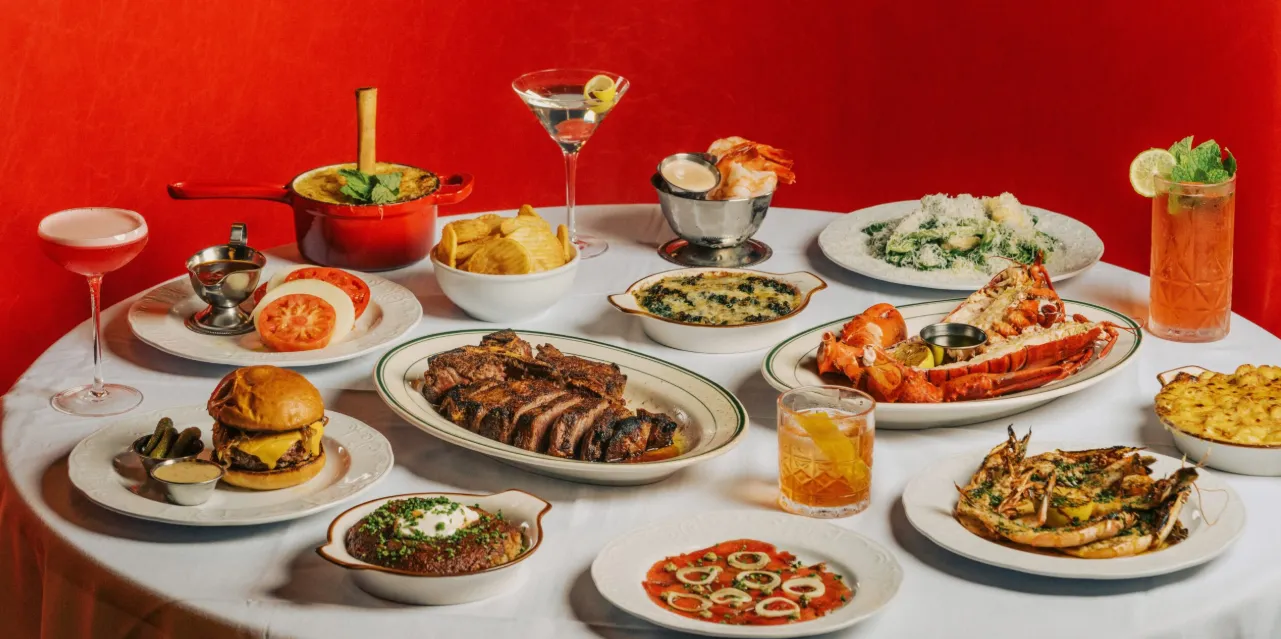
Austin has built its reputation on defying expectations. The city that turned food trucks into destination dining and elevated breakfast tacos to an art form has another culinary surprise: its adult entertainment venues are quietly becoming known for unexpectedly sophisticated menus. What was once an afterthought—late-night bar food served between performances—has evolved into a legitimate dining experience that’s drawing attention beyond the usual clientele.
This shift reflects broader changes in how these establishments operate. No longer content to rely solely on entertainment, several venues have invested in full kitchens, experienced chefs, and menus that could hold their own against many casual dining restaurants. The result is a phenomenon that challenges preconceptions about what these spaces offer and who they’re designed to serve.
From Burlesque to Business: The Evolution of Adult Entertainment Venues
The modern gentlemen’s club bears little resemblance to its origins. What began as burlesque theaters in the early 20th century has transformed through decades of cultural shifts, legal battles, and changing consumer expectations. These venues moved from the margins of society into a more mainstream position within urban nightlife economies.
The transformation accelerated in the 1980s and 1990s, when many clubs adopted upscale aesthetics and began positioning themselves as entertainment destinations rather than simply adult venues. This repositioning required more than new décor—it demanded amenities that could justify higher cover charges and longer visits. Food became a strategic component of that evolution.
Today’s establishments operate as hybrid businesses, blending entertainment with hospitality services that include full bars, VIP experiences, and increasingly, restaurant-quality dining. This diversification helps stabilize revenue streams and broadens appeal to groups celebrating bachelor parties, business dinners, and tourists seeking Austin’s more unconventional attractions.
The Unexpected Menu: What’s Actually Being Served
Walk into certain Austin venues and you’ll find menus that challenge assumptions. These aren’t just wings and nachos—though those remain available—but carefully constructed dishes that reflect the city’s broader culinary culture.
- Premium Proteins: Dry-aged steaks, fresh Gulf seafood, and specialty cuts prepared by chefs with fine-dining backgrounds
- Regional Influences: Texas barbecue techniques applied to upscale preparations, Tex-Mex fusion dishes, and locally sourced ingredients
- Signature Creations: House specialties like truffle-infused mac and cheese, sushi rolls with creative presentations, and craft cocktails that rival dedicated cocktail bars
- Dietary Accommodations: Vegetarian options, gluten-free preparations, and dishes designed for various dietary restrictions
The quality stems from genuine investment in kitchen infrastructure and talent. Some venues have recruited chefs from respected Austin restaurants, recognizing that food quality directly impacts customer satisfaction and length of stay. When patrons settle in for dinner rather than just drinks, per-customer revenue increases substantially.
Operating Within Texas Regulations
Running an adult entertainment venue in Texas requires navigating a complex regulatory environment. Recent legislative changes have tightened requirements, reflecting ongoing tensions between the industry and state lawmakers.
The most significant recent change came when Texas raised the minimum age for both employees and patrons to 21, eliminating the previous 18-year-old threshold. This legislation, which took effect in 2023, represented a victory for advocacy groups who had long pushed for stricter age restrictions in these establishments.
Beyond age requirements, operators must manage:
- Licensing and Zoning: Sexually oriented business permits, distance requirements from schools and churches, and local ordinances that vary by municipality
- Health and Safety: Food service permits, regular health inspections, and compliance with alcohol service regulations
- Employment Law: Worker classification issues, wage requirements, and workplace safety standards
- Tax Obligations: A controversial “pole tax” that funds sexual assault prevention programs, alongside standard business taxes
These regulations create operational challenges but also establish baseline standards that separate legitimate businesses from less scrupulous operators. For venues investing in quality food service, compliance with health codes becomes doubly important—a failed inspection affects both the entertainment license and food service permit.
Economic Footprint: Beyond the Velvet Rope
Adult entertainment venues contribute to urban economies in ways that extend beyond their immediate operations. In Austin, these establishments form part of the city’s broader nightlife ecosystem, which generates hundreds of millions in annual economic activity.
The economic impact manifests across several dimensions:
- Direct Employment: Performers, kitchen staff, bartenders, security personnel, management, and support roles create diverse job opportunities
- Supplier Relationships: Food and beverage purchases, linen services, maintenance contracts, and other vendor relationships support additional businesses
- Tourism Draw: Visitors specifically seeking Austin’s nightlife scene book hotel rooms, eat at restaurants, and patronize other local businesses
- Tax Revenue: Sales taxes, property taxes, and industry-specific fees contribute to municipal budgets
- Real Estate Impact: These venues often occupy and maintain properties in entertainment districts, contributing to area development
The food service component amplifies this economic activity. A patron who arrives for dinner at 8 PM and stays through midnight spends considerably more than someone who stops in for a single drink. Extended visits increase bar revenue, tip income for staff, and overall economic velocity through the establishment.
Finding Quality Venues in Austin
Not all adult entertainment venues prioritize food quality equally. For those interested in the culinary side of this scene, research helps identify which establishments have genuinely invested in their kitchens versus those treating food as an afterthought.
Consider these approaches when evaluating options:
- Review Patterns: Look for consistent mentions of food quality across multiple review platforms, not just entertainment ratings
- Menu Transparency: Venues confident in their culinary offerings typically post detailed menus online with pricing
- Chef Credentials: Some establishments highlight their kitchen leadership, a signal that food is taken seriously
- Peak vs. Off-Peak: Visit during prime dinner hours (7-10 PM) when kitchens are fully staffed and operating at capacity
- Local Recommendations: Austin residents familiar with the scene can distinguish between venues with genuine culinary ambitions and those with basic bar food
- Price Points: Menu pricing often reflects ingredient quality and kitchen investment—extremely cheap menus rarely indicate serious culinary programs
Austin diners can evaluate culinary venues from Palazio, The Yellow Rose Kitchen, or Studio 6 for adult entertainment dining experiences.
The Broader Context: Nightlife and Dining Convergence
Austin’s strip club dining phenomenon reflects a larger trend in urban nightlife: the blurring of boundaries between entertainment categories. Just as breweries now serve restaurant-quality food and music venues have evolved into dining destinations, adult entertainment venues have recognized that modern consumers expect quality across all aspects of an experience.
This convergence serves multiple business purposes. Extended visits increase revenue per customer. Food sales provide income streams less dependent on entertainment schedules. Quality dining attracts customers who might not visit solely for performances, broadening the customer base.
The trend also responds to changing consumer behavior. Younger demographics expect curated experiences rather than single-purpose venues. A night out increasingly means moving between different types of entertainment and dining, or finding venues that combine multiple elements. Adult entertainment venues adapting to this expectation position themselves as destinations rather than stops along a bar crawl.
Whether this represents a permanent shift or a temporary market adaptation remains to be seen. What’s clear is that in Austin’s competitive nightlife landscape, venues willing to invest in unexpected amenities—like genuinely good food—have found a way to differentiate themselves and capture customer attention in a crowded market.