

You intended to spend Saturday afternoon with the mower and a cold drink. Instead, the clouds gathered, a box set beckoned, and the grass decided to embark on a vertical growth spurt.
Fast forward a month, and your front garden looks more like a set from an adventure film. You might tell yourself it is ‘rewilding,’ but the local postman is starting to look for a machete to reach your letterbox.
While a shaggy lawn feels like a minor cosmetic slip, it is actually a silent drain on your bank balance. Beyond the judging stares of the cul-de-sac, true lawn neglect can cause significant financial damage to your most expensive asset. Here’s how.
First Impressions Dictate Your Market Price
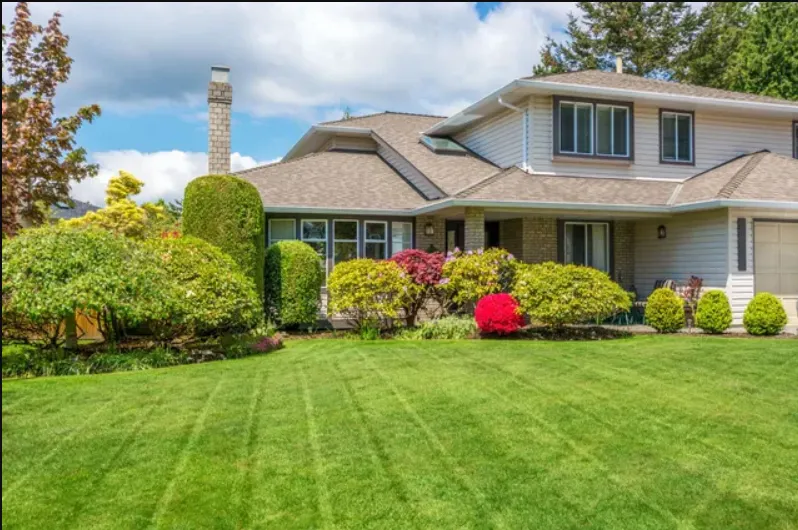
When a potential buyer pulls up to your house, they make a subconscious valuation within roughly thirty seconds. A lush, manicured lawn signals that the homeowner is meticulous, careful, and attentive to every detail of the property.
Conversely, an overgrown patch of weeds and moss suggests that the internal systems of the house might be equally ignored. Buyers assume that if you can’t be bothered to mow, you probably haven’t serviced the boiler or checked the roof tiles.
This psychological link often leads to lower offers, as viewers mentally subtract the cost of landscaping and hidden repairs from the asking price. In a competitive market, that green carpet is essentially the cover of your book, and people absolutely judge it.
Lawn Health Has an Impact on Property Value
A healthy lawn acts as a high-quality frame for a house, enhancing the architectural features and making the entire plot feel larger. In the UK, garden space is a sought-after commodity, and a functional lawn adds a tangible living area to the home.
When grass is healthy, it’s resilient against the unpredictable British weather, staying vibrant through heatwaves and absorbing the inevitable winter deluges. A dead or patchy lawn, however, makes the whole property look desolate and uninviting, even in peak summer.
Investing in your turf is not just about aesthetics; it’s a strategic move to protect your equity. A well-maintained garden can increase a property’s value by an impressive percentage, making the effort of upkeep a very profitable hobby.
Neglect Leads to Costly Repairs
The damage from a forgotten lawn eventually moves beyond the soil and begins to threaten the actual structure of your home. Overgrown vegetation trapped against the brickwork prevents airflow, which leads to rising damp and crumbling mortar over several seasons.
Roots from invasive weeds and unchecked shrubs can find their way into old drainage pipes or under the edges of your driveway. These growing plants cause cracks and blockages that are notoriously expensive to excavate and repair once the damage becomes visible.
Keeping a clear boundary between your turf and your walls is essential for the longevity of the building. Neglecting the perimeter of your lawn creates a path for the environment to slowly reclaim your foundations, one root at a time.
Invasive Species Lower Land Value
There are certain weed varieties that can legally and financially devalue your land overnight. In the UK, species like Japanese Knotweed are a nightmare for homeowners because they can compromise the structural integrity of concrete and tarmac.
If these plants take hold in a neglected corner, you may find it impossible to secure a mortgage or sell the property. Eradicating such threats requires professional intervention and years of monitoring, which is a massive financial burden compared to simple weeding.
Pests Damage the Household Infrastructure
Long grass provides an ideal hiding spot for rodents and insects that eventually seek warmth inside your walls. Rats and mice use the thick cover of a neglected garden to build nests near your home, where they can chew through expensive electrical wiring.
Fixing a short circuit or replacing gnawed insulation is a bill no one wants to receive during a cost-of-living crisis. Keeping the grass short removes the protective cover these pests need, forcing them to find a home far away from your skirting boards.
DIY Lawn Care Tips
Bringing a garden back from the brink does not have to be a daunting task if you break it down into manageable steps. The secret is to avoid trying to fix everything in a single afternoon, which usually results in a sore back and a half-finished job.
Start With a High Cut
If your grass has reached knee height, don’t try to scalp it down to a bowling green level immediately. Set your mower to the highest possible setting for the first pass to avoid choking the engine or damaging the delicate grass crowns.
Taking off only the top third of the blades allows the plants to recover without going into shock. You can then gradually lower the cutting height over several weeks until it reaches a manageable and attractive length for the season.
Focus on Feeding and Weeding
Once the length is under control, the soil will likely need a boost of nutrients to help the grass outcompete the remaining weeds. Using a high-quality seasonal fertiliser will give the lawn the strength it needs to fill in those embarrassing bare patches.
If you find the chemical balance and timing of treatments confusing, opting for a complete lawn care package can simplify the process. Professional services ensure the right products are used at the right time, preventing the common mistake of over-fertilising and burning the grass.
Aerate for Better Drainage
The UK is famous for its rain, and a neglected lawn often becomes compacted, leading to standing water and moss. Taking a garden fork or a hollow-tine aerator to the turf helps air and water reach the root zone where they’re needed.
This simple process improves the soil structure and prevents the ‘marshland’ effect that causes damage to many British gardens during the winter months. Better drainage means a firmer surface for your feet and a healthier environment for your grass to thrive in.
Conclusion
You’ve successfully navigated the perils of the urban jungle, and your mower is probably feeling like a hero right now. Reclaiming your lawn is the fastest way to boost your home’s value without needing a single building permit.
The best part is that once the hard work is done, maintaining that lush green view is surprisingly therapeutic. Now, sit back with a tea and admire your handiwork; you’ve officially cleared the overgrowth and secured your home’s curb appeal!